2025 Winners

The 1st edition, exhibited at the Images & Neige festival in January 2026: photographers of 24 nationalities, 18 winners, and for each awarded image the jury’s written statement, as published in the contest book.

The contest book

Series exhibition winners, single image exhibition winners and category winners are published in the exhibition catalogue, each photo with the jury’s written analysis. They all receive the PDF version.

Leaf through the 2025 edition

Cover of the 2025 Snow Much to See contest book.

4 series exhibition winners

For each winner, the jury selected 3 photographs from the series, printed in fine art 40×60, framed and exhibited at the festival.

Natalya Saprunova

Exhibition Winner

Living on the Pole of Cold

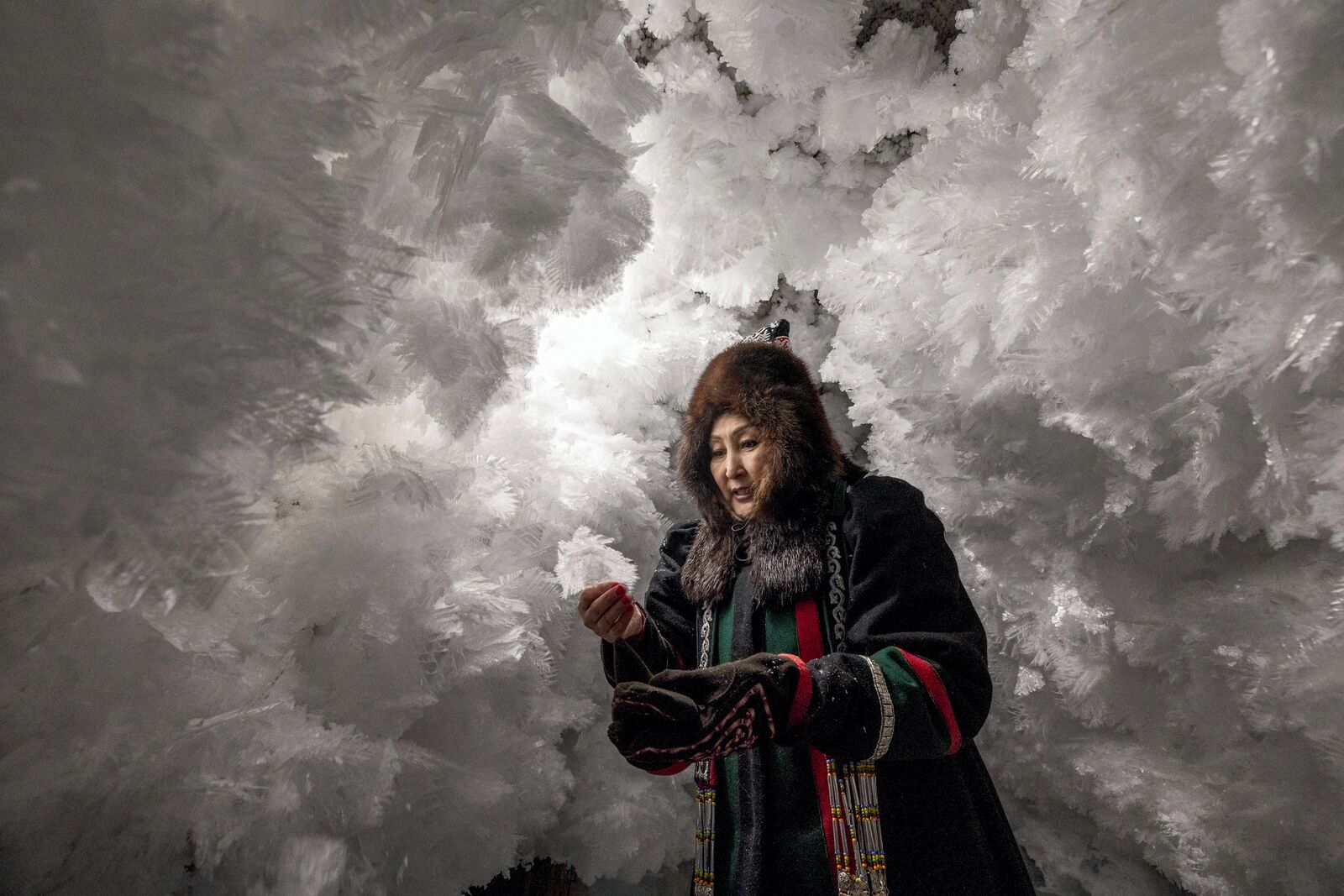
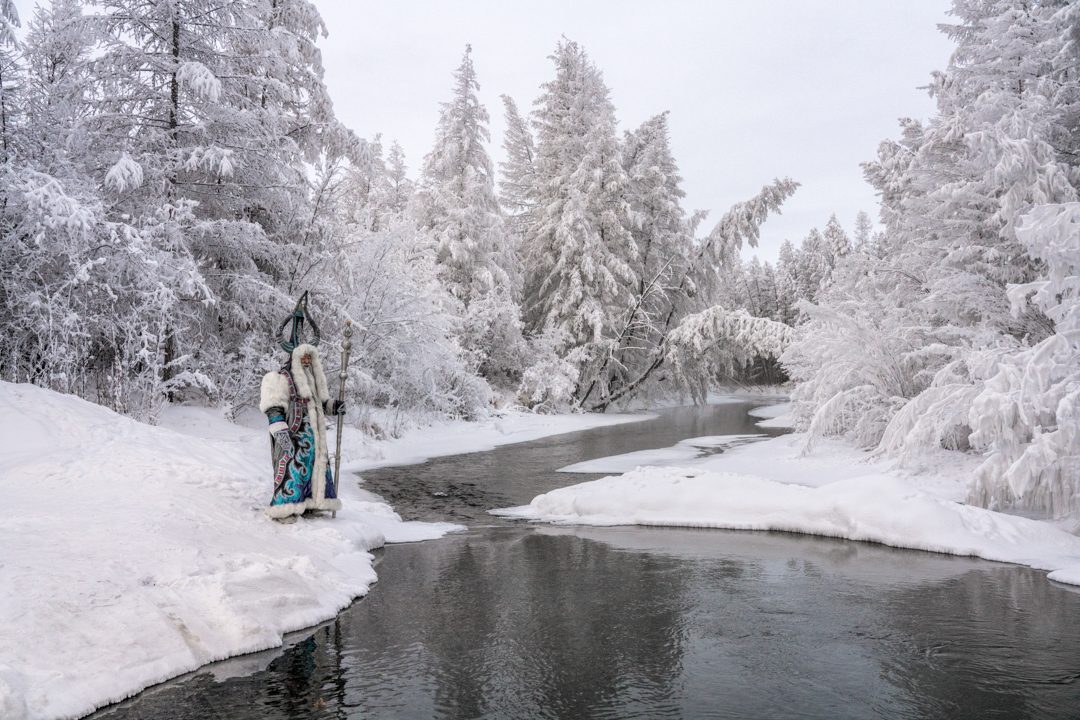
In a cave carved into the permafrost mountain, serving as the residence of the traditional Yakut character, Chyskhaan - considered the Guardian of Cold, a Yakut woman discovers snow crystals formed by condensation.
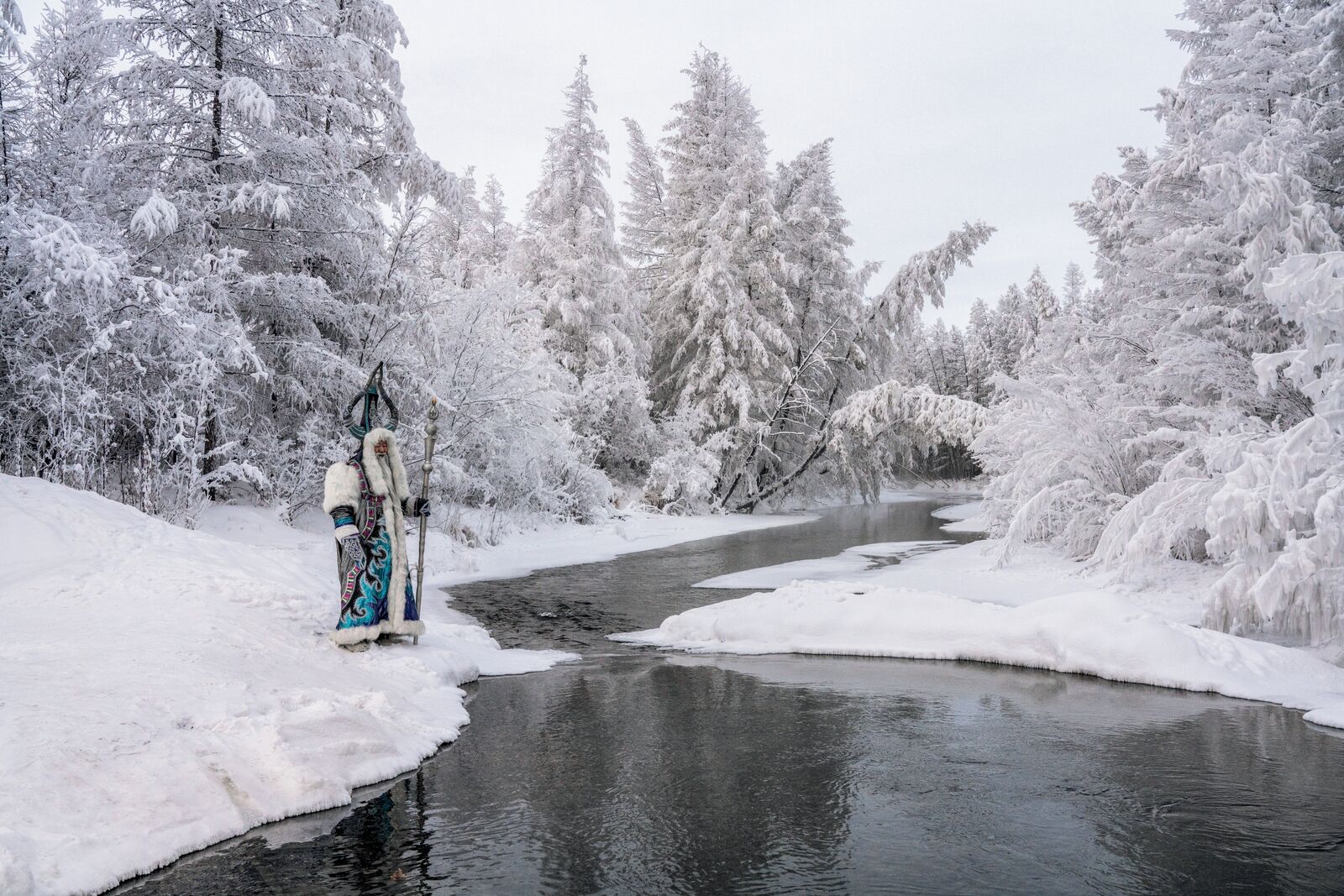
Chyskhaan, a traditional Yakut character, whose name is translated from Yakut as the Guardian of the Cold, is observing the Indigirka river in Oymyakon. Ironically, Oymyakon means "water that doesn't freeze", which comes from streams of water that do not freeze even during intense cold. This phenomenon is explained by the fact that the ground is constantly frozen, and under its pressure, groundwater rises to the surface. Water in Indigirka strikes with spring purity. Its name is translated from Even reindeer people as "to live".
In the context of climate change, this shaman asks the spirits to keep this place cold, because the Yakutian anticyclones help regulate the planet’s climate. These powerful high-pressure systems, born in the extreme cold of Siberia, influence weather patterns far beyond Yakutia, linking local traditions to global concerns.
The jury’s statement

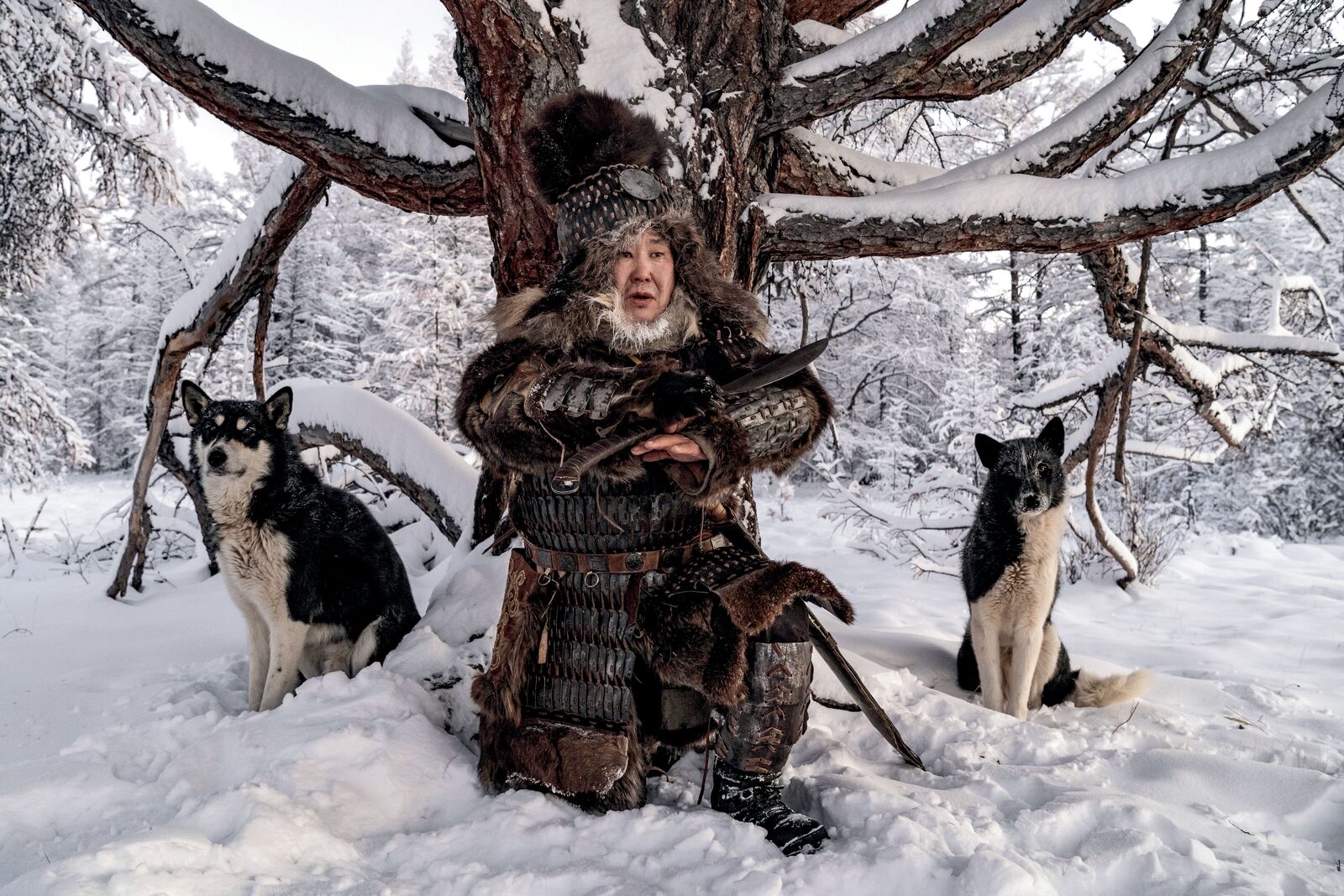
This series shows how a people, a landscape and an extreme climate form a living equilibrium. The gestures, postures and clothing reflect living traditions that honour the cold. What stands out is a sense of respect and attentiveness: the series conveys the endurance, adaptation and sensitivity of this population, portrayed in their truth and with quiet dignity.

We appreciated the mastery of volumes, textures and light.

The chromatic palette plays a crucial role in this unity. The cold whites and greys, punctuated by touches of colour from traditional clothing, create an atmosphere that is both realistic and slightly dreamlike. The soft, enveloping light reveals the subtle variations of snow and ice, giving the whole ensemble a pictorial quality that lends each scene an almost narrative depth.

The photographer

Natalya Saprunova, a documentary photographer based in Paris, grew up in Russia’s Arctic region on the Kola Peninsula. She began her career as a photojournalist before moving to France in 2008, later leaving a marketing job to fully commit to photography.

Since 2019, she has been retracing the northern landscapes of her childhood, travelling alone and adopting local ways of life to build trust with the communities she photographs.

Now a naturalized French citizen and a 2020 graduate in Documentary Photojournalism from EMI-CFD in Paris, she develops an ethnographic approach focused on identity, human rights, the environment, climate change, youth, femininity and spirituality.

Her work has been exhibited internationally and awarded, including the Canon Female Photojournalist Grant at Visa pour l’Image.

Canon Female Photojournalist Grant at Visa pour l’Image
Paris · Instagram · Website

Ying Yin

Exhibition Winner

Wind of Okhotsk

Ying Yin, Exhibition Winner
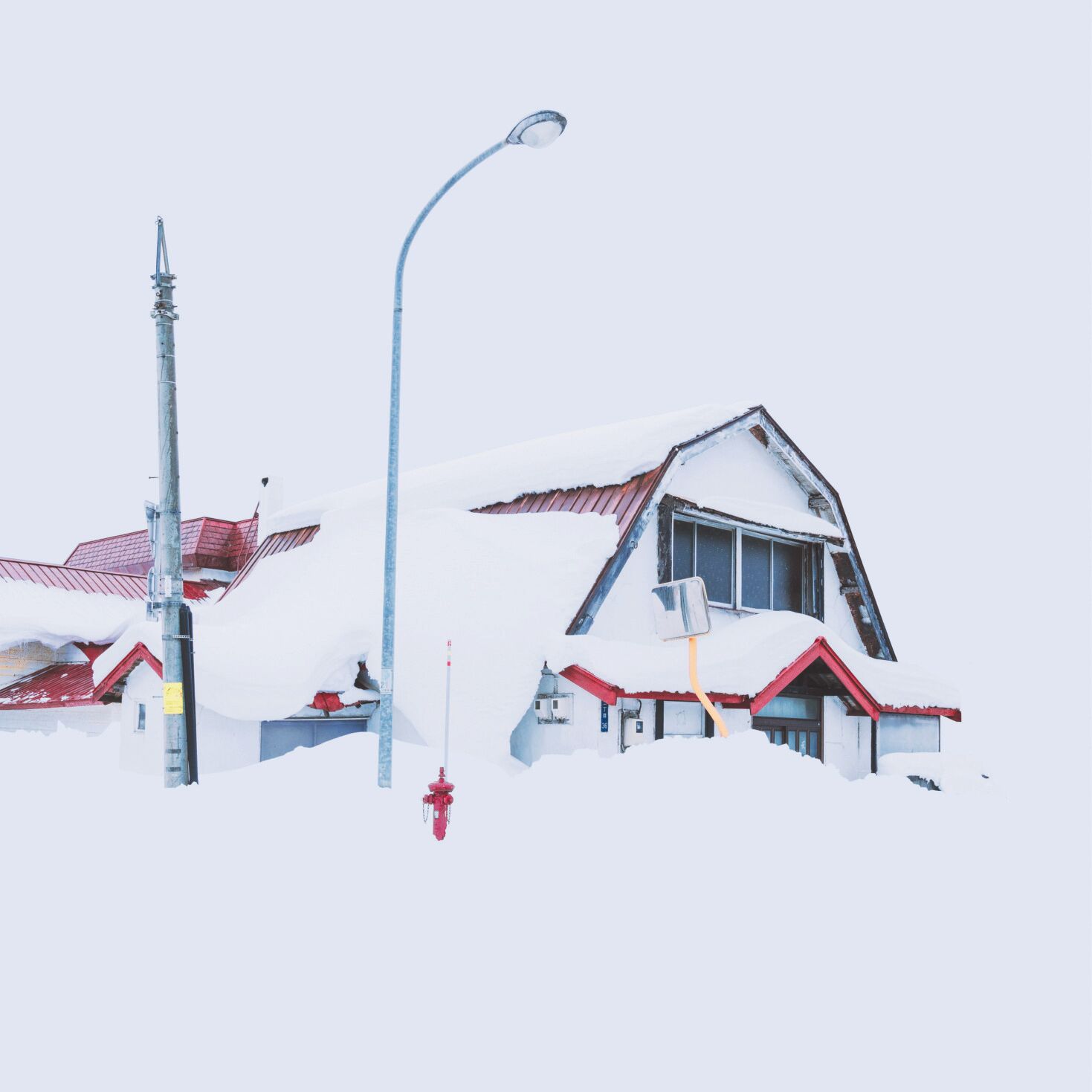
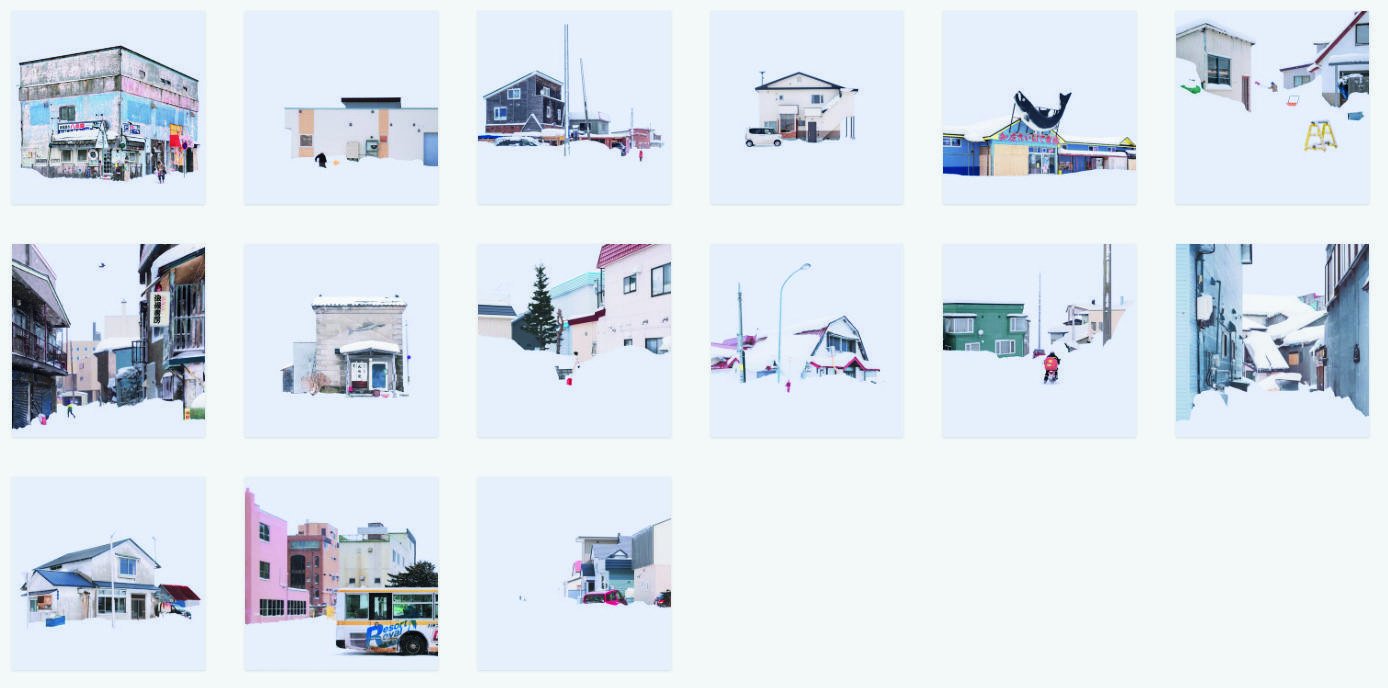
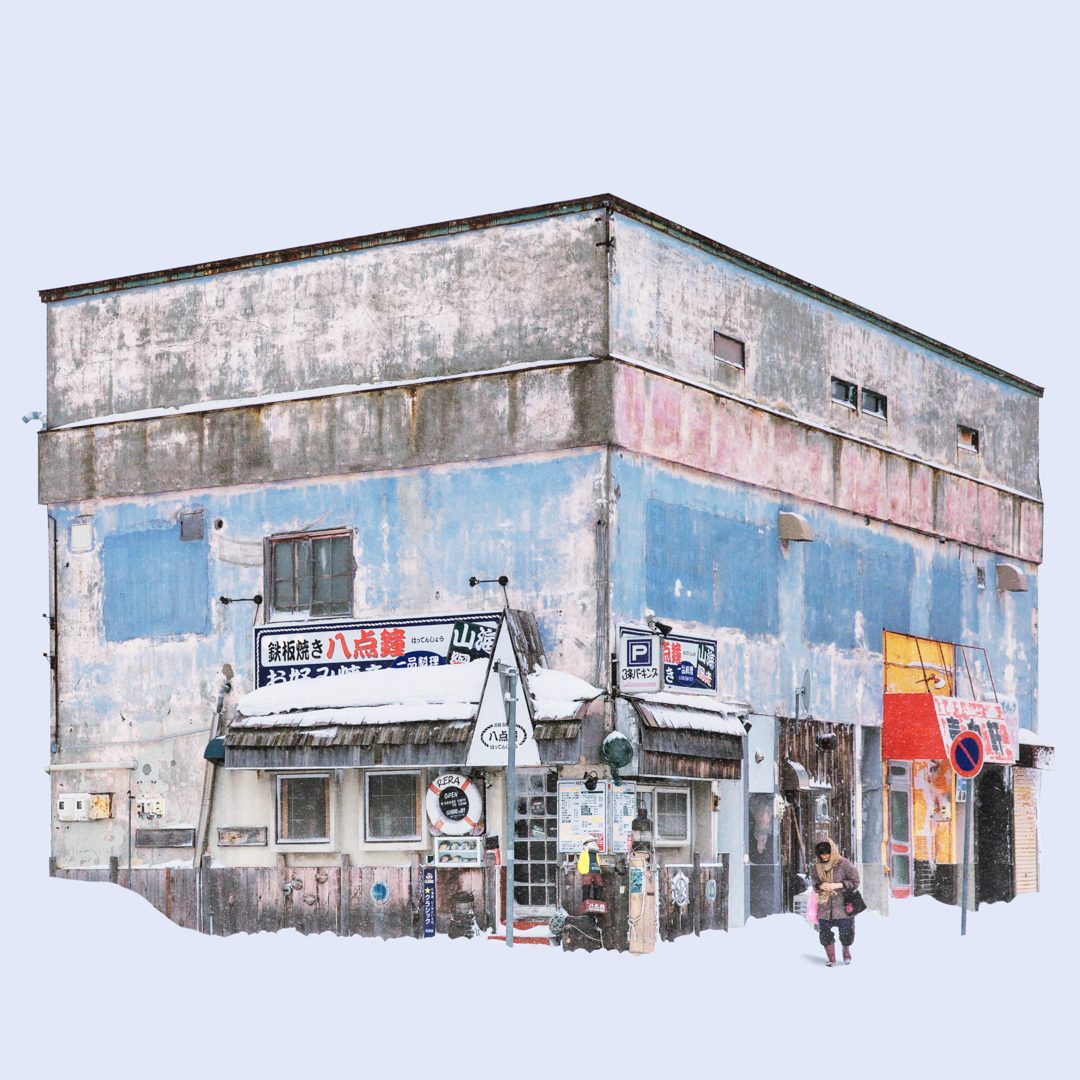
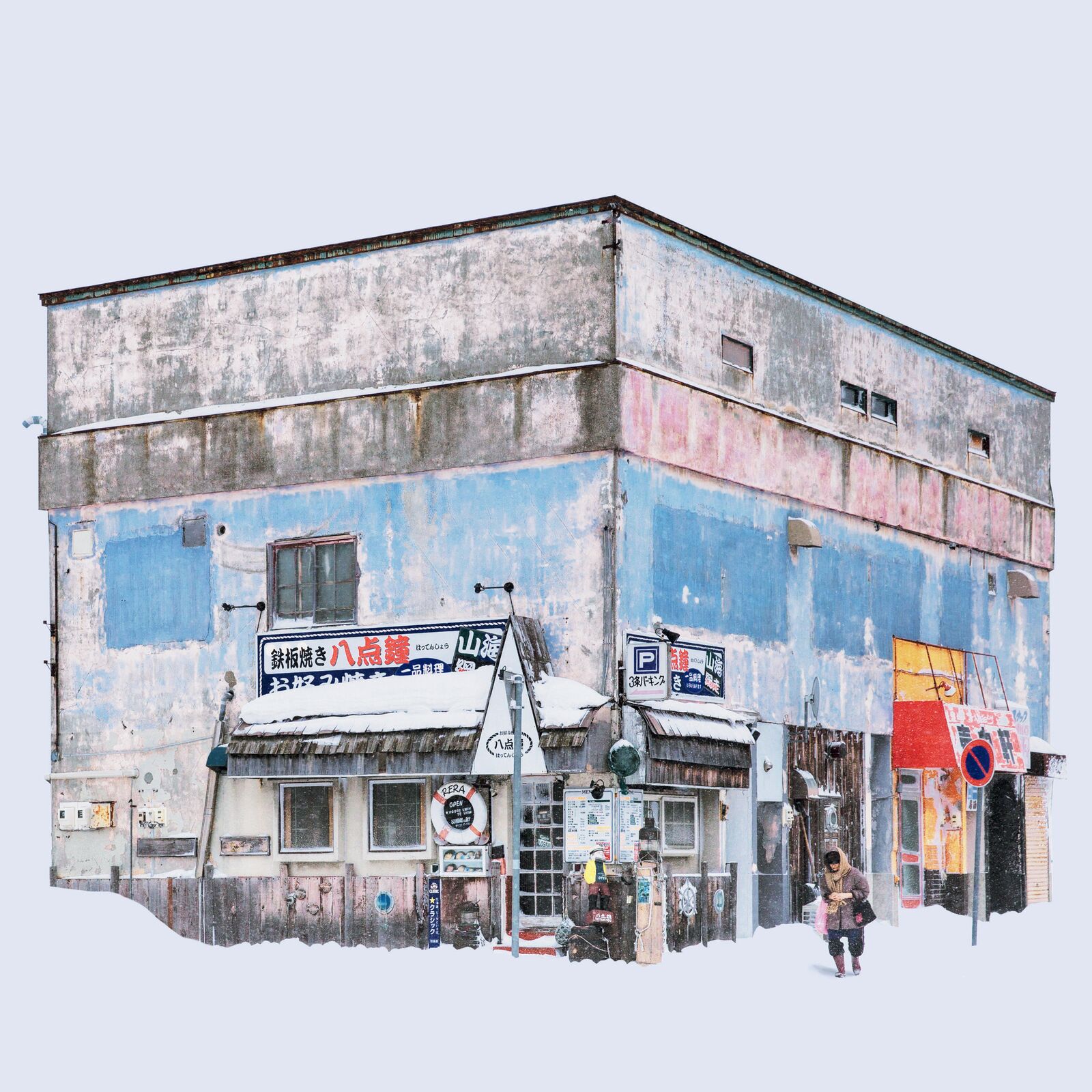
Contact sheet of the 15 images of the series: snow-covered facades, houses and alleys, almost erased by the white.
The complete “Wind of Okhotsk” series: 15 images (contact sheet from the book, p. 18)
The jury’s statement

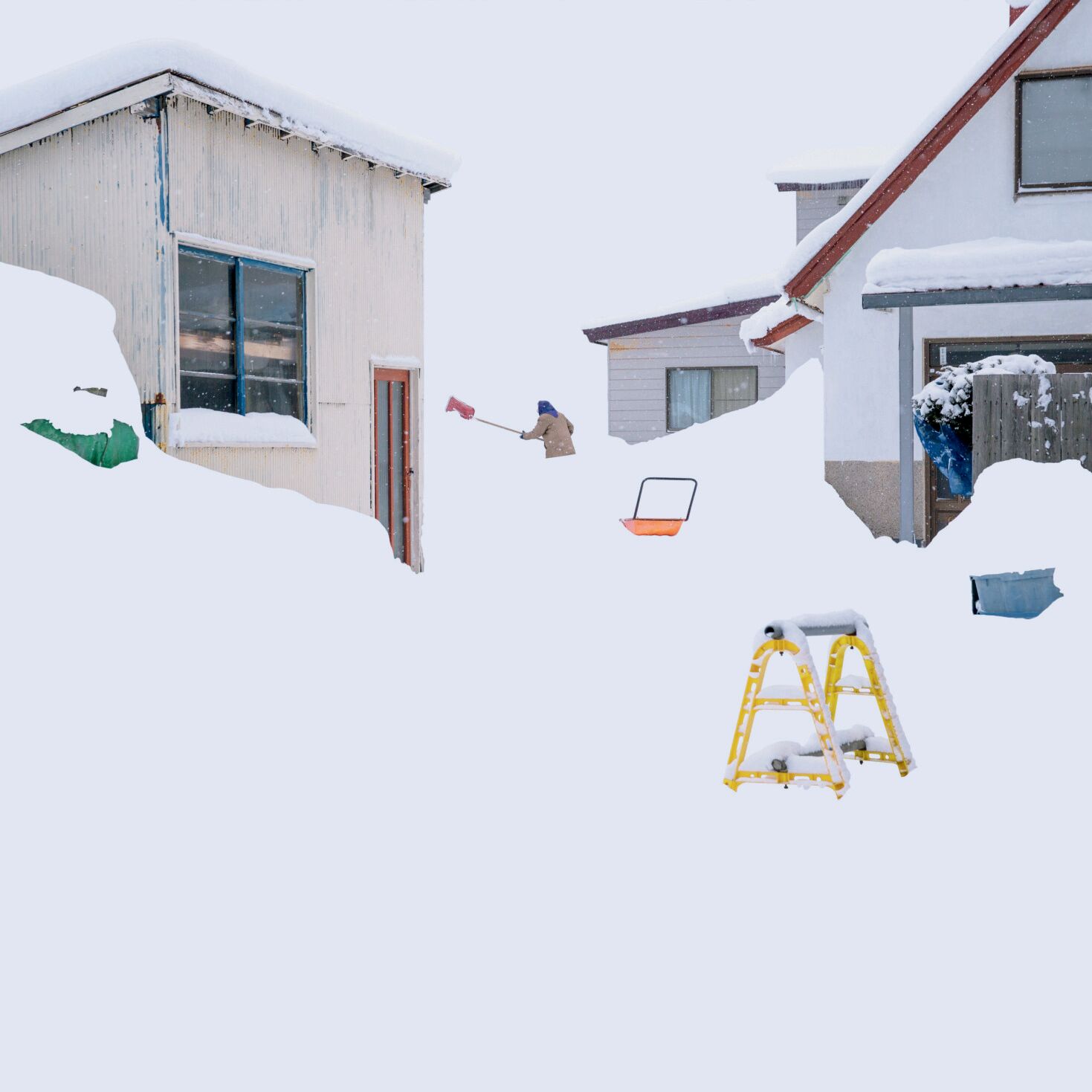
This series transforms a snow-covered urban landscape into an almost abstract space, where reality seems to drift between appearance and disappearance. The approach stands out immediately through its relationship to emptiness: snow becomes a true compositional tool, echoing the Japanese concept of Ma (間), the art of the interval, of the meaningful void that structures and supports the image.

We appreciated the mastery of minimalism and the spirit of woodblock printing or reserve drawing, where snow becomes a plastic medium rather than a simple meteorological phenomenon.

The very soft treatment of light, the pastel palette and the gradual fading of details give the scenes a dreamlike quality. The city seems to shift to another plane of existence, as if it belonged to a memory or a dream, offering a subtle reflection on the boundary between the real and the imaginary.

A series that defines the very notion of a series

Each image in the series echoes the others through its economy of form, chromatic softness and the intelligence of its framing, which remains effective even when viewed upside down (inversion is a common test used to assess the strength of a composition).

The photographer

Ying Yin, born in Shanghai and now based in Japan, develops a body of work rooted in reality while going beyond it to create atmospheres tinged with surrealism.

Holder of an MFA in graphic design from Tama Art University, she explores the invisible side of cities on her travels and highlights the relationship between nature and human beings through emotionally charged scenes.

Her work has been exhibited in Japan, Russia, China and Europe, and has been recognised by several awards and selections, including Canon GRAPHGATE, the Kanagawa Prefectural Art Exhibition, the Belfast Photo Festival and the Hasselblad Masters. Her series have been the subject of solo exhibitions, such as “Wind of Okhotsk”, appear in various publications and have been covered by international media such as The Guardian, My Modern Met, Fstoppers, Feature Shoot and Fubiz.

Canon GRAPHGATE · Kanagawa Prefectural Art Exhibition · Belfast Photo Festival · Hasselblad Masters

Japan (born in Shanghai) · Instagram

  • Natalia Pereverzeva, Exhibition WinnerNatalia PereverzevaExhibition Winner
    Read the jury’s statement

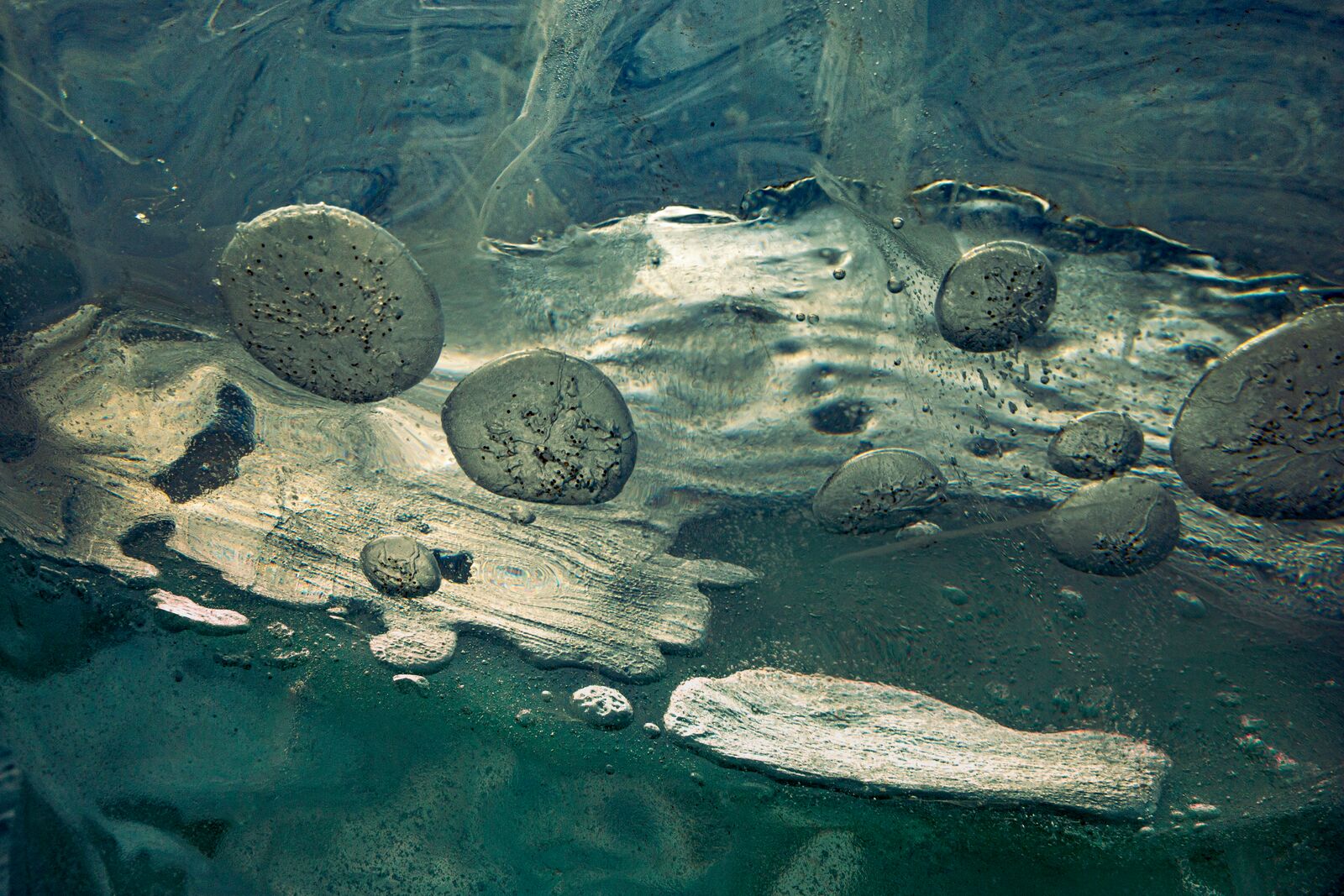
    These photographs reveal winter phenomena observed with intimacy, scientific attention and aesthetic intention. The jury appreciated their abstract, almost pictorial quality, along with a palette of greens and greys that is unusual for this type of work. The images reflect a careful consideration of viewpoint and distance, giving each composition a balance between precision and mystery.

    The framing makes full use of the natural geometry of ice. Networks of fractures become graphic structures, trapped bubbles form constellations, and the layered surfaces take on an almost metallic appearance.

    The control of light is decisive, as it reveals minute reliefs and enhances the sense of depth.

  • Denis Balibouse, Exhibition WinnerDenis BalibouseExhibition Winner · Suisse
    Read the jury’s statement

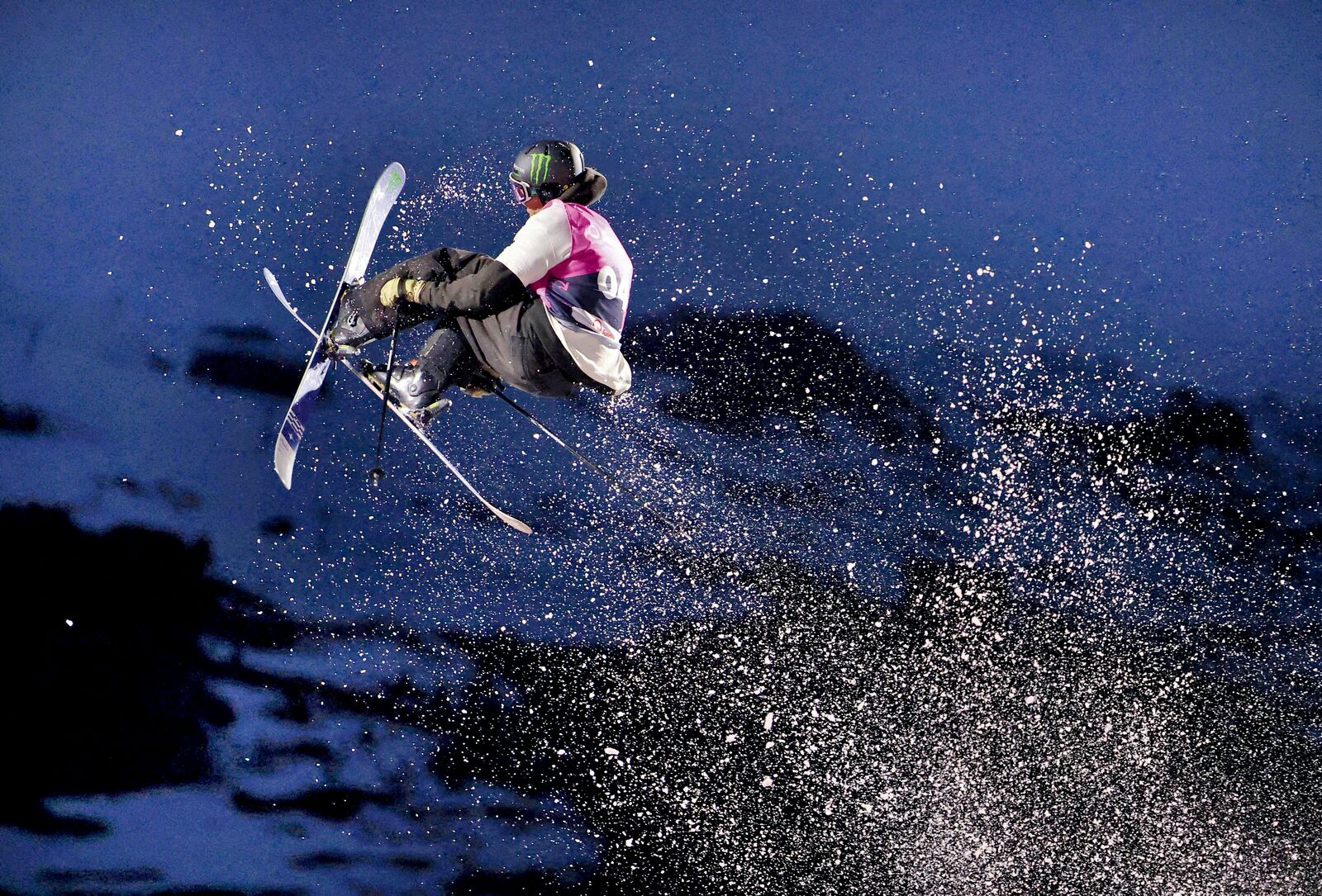
    The jury appreciated the variety of approaches: snow bursts frozen in the light, silhouettes appearing cut out and pasted onto the sky, surreal visual nods.

    The series merges athletic technique, aerial mastery and winter aesthetics. The photographer succeeds in isolating extreme gestures within a graphic landscape that shapes the image.

    The use of height, diagonals and volume enhances the sense of trajectory and speed, while allowing the eye to move freely between the athlete and the environment.

    Taken as a whole, the series presents sport as a dialogue with snow itself.

    The spray, the tracks and the crystals exploding around the skis become visual elements that enrich the image.

3 single image exhibition winners

1st, 2nd and 3rd prizes for a single image, printed in 30×45 and exhibited at the festival.

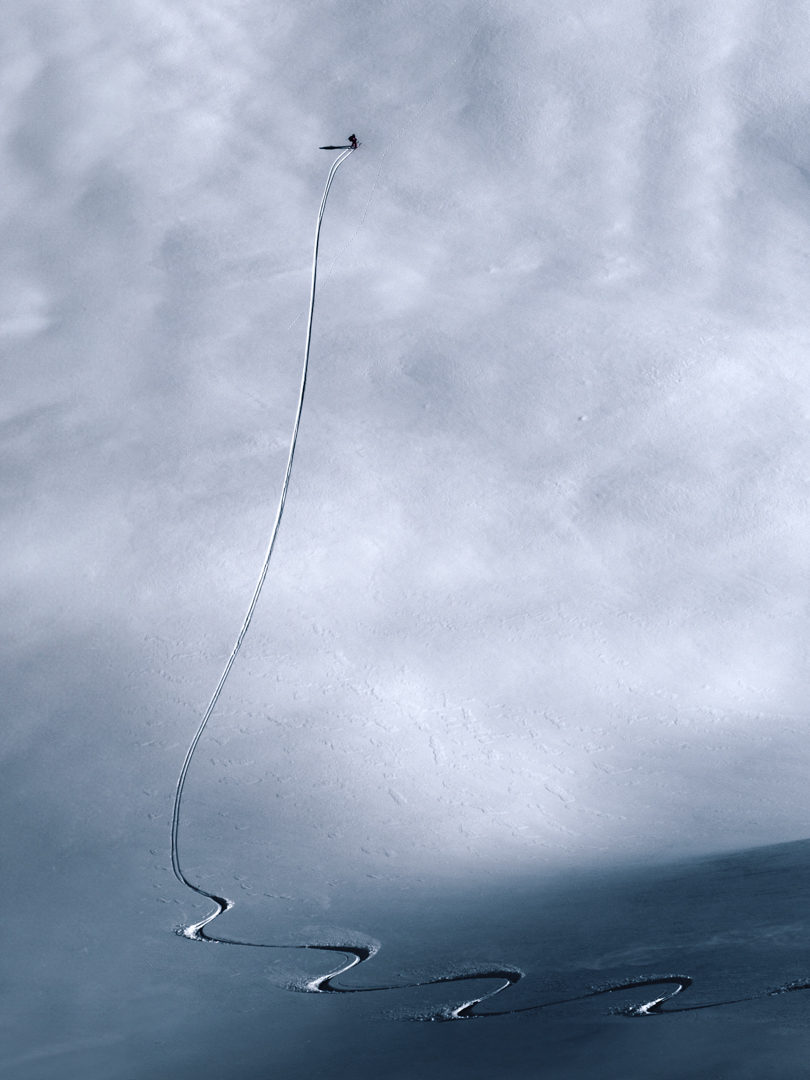
Gabriel Madie

1st Prize
Gabriel Madie, 1st Prize
The jury’s statement

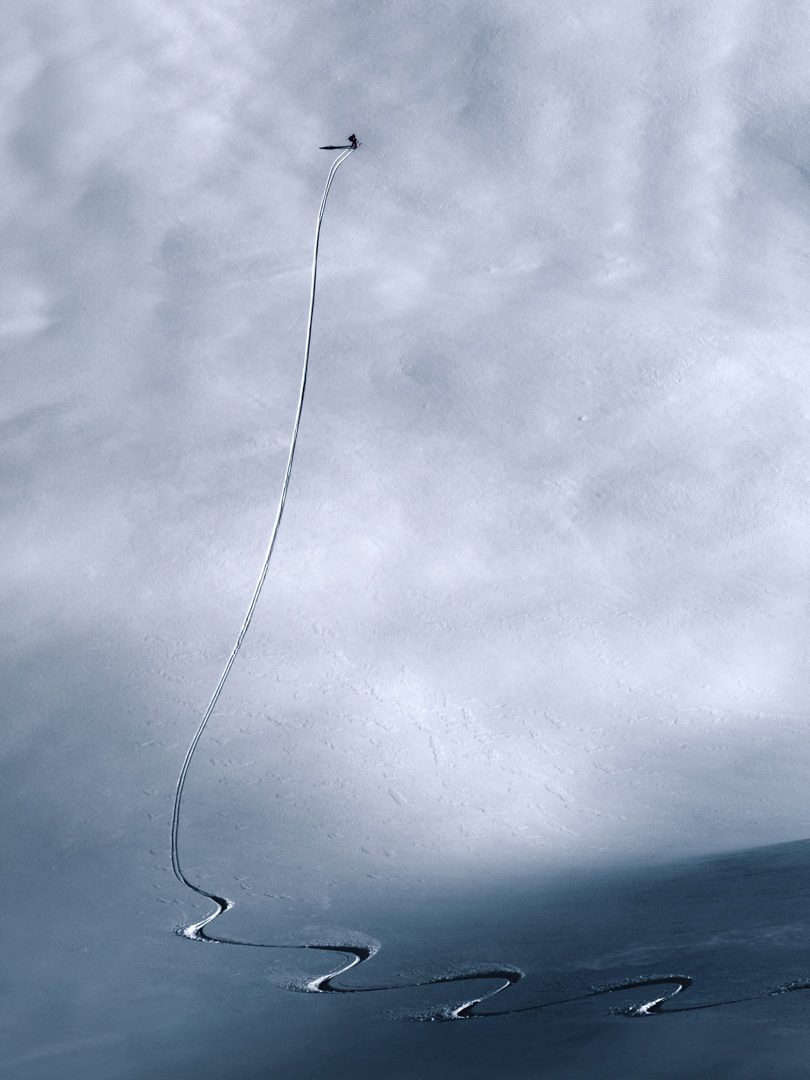
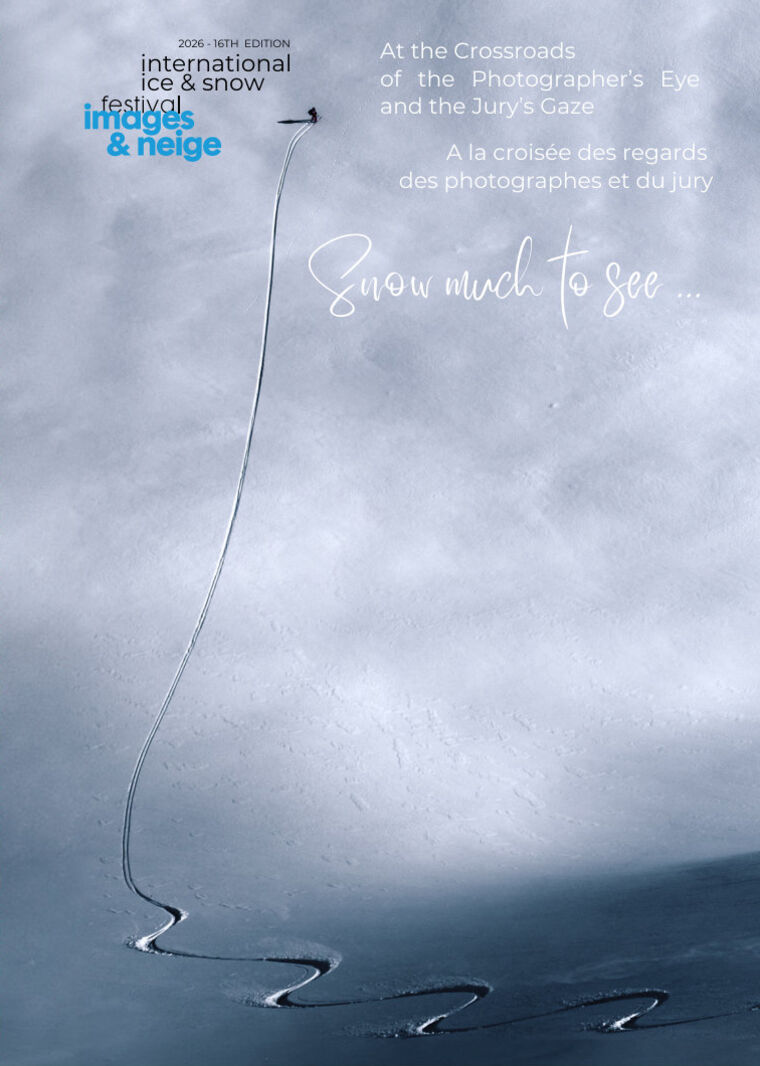
The jury appreciated this image for the way it turns a ski descent into a form of calligraphy drawn across a vast sheet of snow. The track becomes a ductus: a continuous, intentional stroke where the skier's movement defines a visual grammar as precise as ink on paper, both spontaneous and deeply composed: the controlled curve of the trail, its rhythm, its inflections and counter-inflections.

The almost total loss of spatial reference amplifies this effect: the terrain dissolves into a monochrome field, and the skier appears suspended in an abstract space, as if writing directly onto the landscape.

The delicate variations in tone, from cold blue to soft grey, reinforce the graphic purity of the image.

The result is both striking and contemplative: a synthesis of athletic precision and artistic minimalism, where the mountain becomes a page and the skier an author of ephemeral signs.

The photographer

Gabriel Madie is an engineer, a ski teacher and a photographer. Specialized in ski, mountain, surf, and adventure visuals, and born and raised on an island, he developed a deep connection with nature. He later spent 1 to 3 months each year working in snowy mountains, deepening his relationship with water, snow, and the natural world.

Instagram · Website

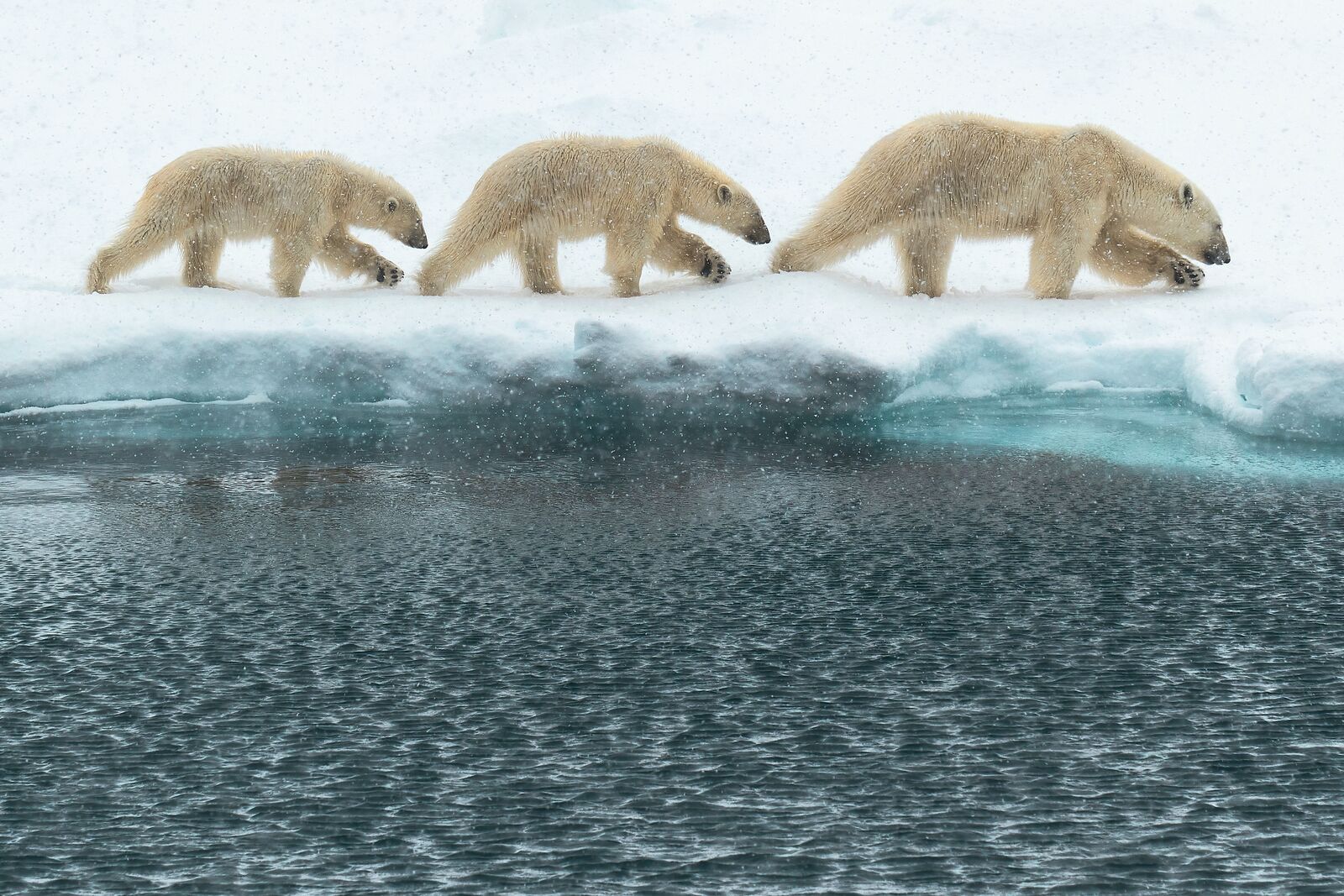
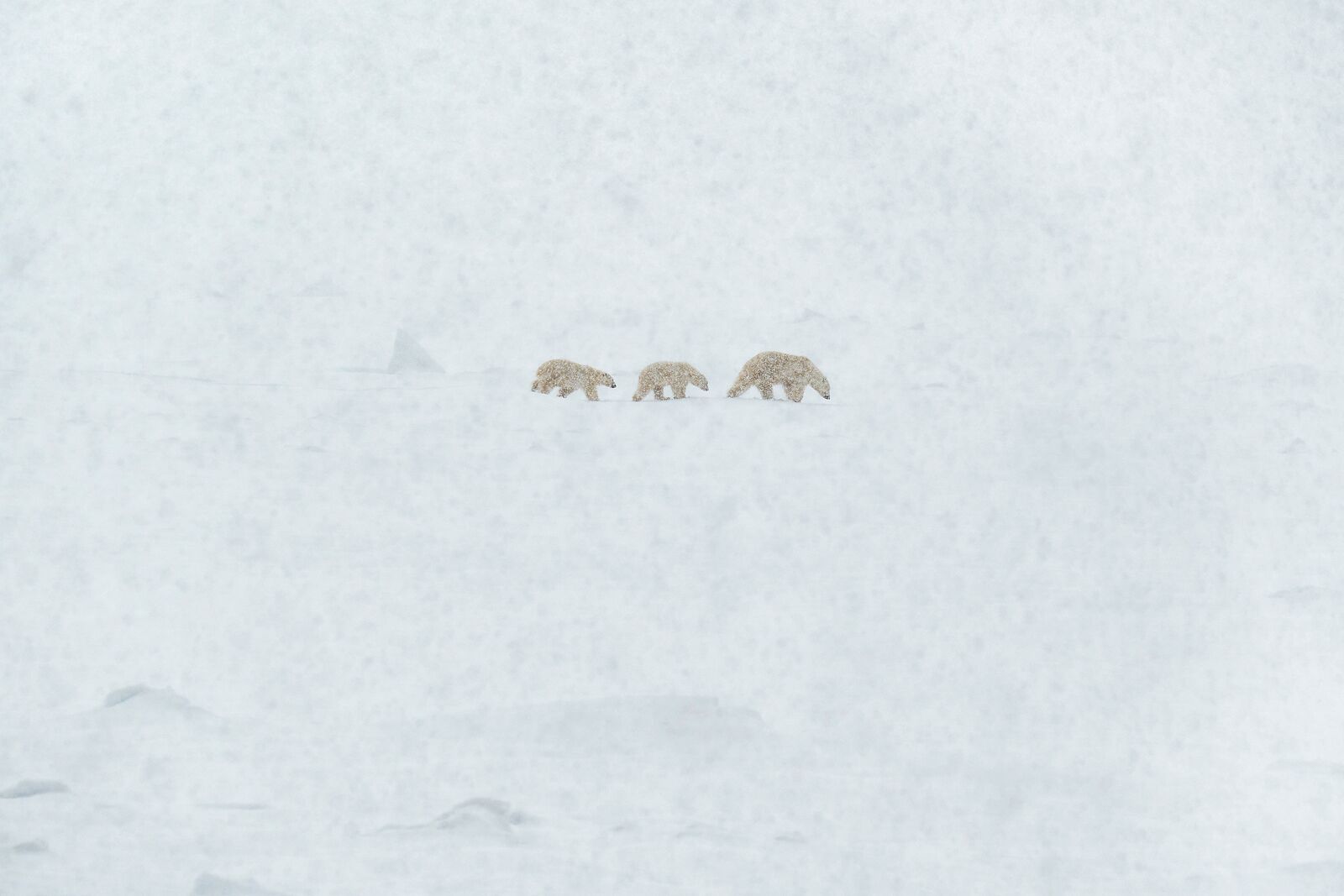
Estebane Rezkallah

2nd Prize

The East Legacy

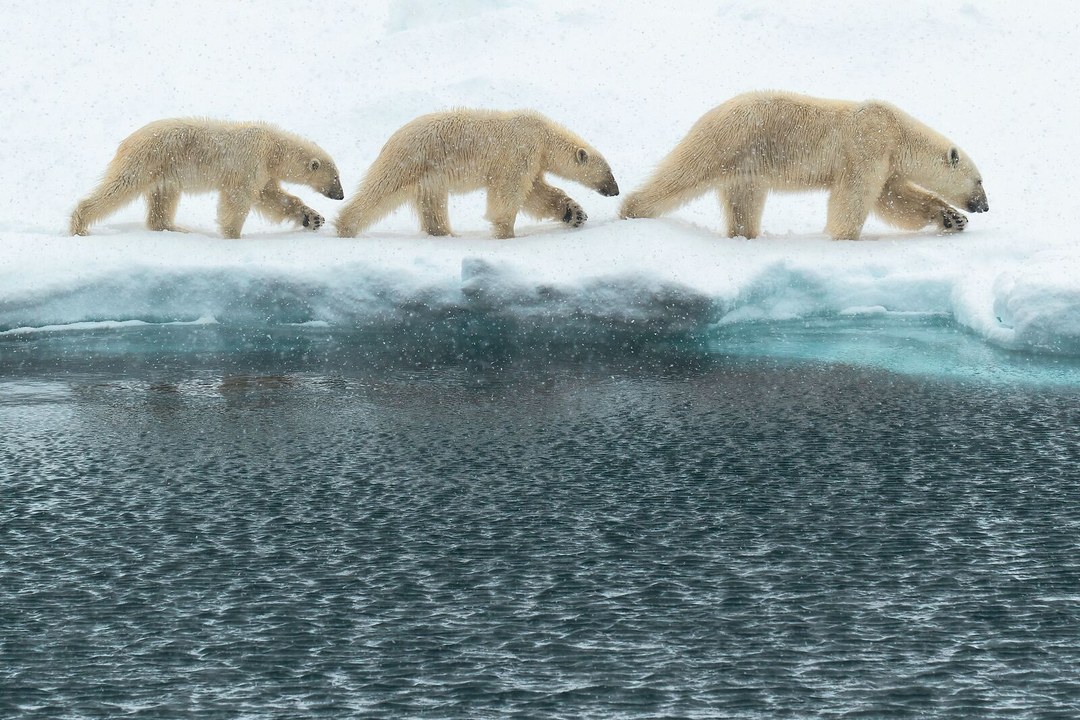
From the youngest to the oldest (left to right), the 2 children, aged 2, are following in their mother's footsteps and skills. So they're ready to adapt on their own to this extreme environment.
From the youngest to the oldest (left to right), the 2 children, aged 2, are following in their mother's footsteps and skills. So they're ready to adapt on their own to this extreme environment.
3 snowflakes are not snowflakes
3 snowflakes are not snowflakes
Like a rope team of mountaineers, this family follows closely behind one another in the snowstorm.
The jury’s statement

This photograph brings together 2 qualities that are rarely present at the same time: a scene of exceptional naturalistic rarity and a composition of remarkable mastery.

Photographing a polar bear mother walking in single file with her young is already an extraordinary stroke of luck. Capturing them in such a composition borders on a naturalist miracle:

  • a perfect single-file alignment
  • identical spacing between the bears
  • identical positioning of the paws and the inclination of the head
  • a decreasing order of size
  • the 3 bears forming a frieze, almost a repeating motif in which each body echoes the curve of the previous one
  • a play of verticals (fur) and horizontals (ripples of the water)
  • a composition structured in horizontal bands (water, ice, bears, sky)
  • the 3 states of water (liquid water, ice, snow)
  • the contrast and balance between the warm tones of the bears and the cold tones of the ice and water
  • the glacial turquoise in the water, a rare luminous accent, a true Arctic signature that adds atmospheric depth and gives the eye a sensory anchor
  • the juxtaposition of porous, smooth, rough and moving textures
The photographer

His career is marked by a succession of long-term, committed projects in polar, alpine and marine environments: a full year in the polar regions as a photographer and documentary filmmaker; 4 months tracking wolves in autonomous winter conditions in the Vercors; a 2,324-kilometre expedition on foot across the Alps between Monaco and Ljubljana (109 days); a mission in Polynesia to document whales; and a documentary on the hunters of East Greenland (2026).

His work has been recognised several times, notably by the Sony World Photography Awards, where he won the 2025 Best Wildlife & Natural World prize, as well as by the ND Awards and by the Prince Albert II of Monaco Foundation. These distinctions add to the 2023 Best Ocean Photo awarded by The Nature Conservancy and to a feature publication in Le Figaro for a major reportage.

Exhibitions have multiplied in prestigious venues, including those organised by Sony at Somerset House in London, at the Museo Diocesano Carlo Maria Martini in Milan, and at the Willy Brandt Haus in Berlin.

Sony World Photography Awards, where he won the 2025 Best Wildlife & Natural World prize · ND Awards · Prince Albert II of Monaco Foundation · 2023 Best Ocean Photo awarded by The Nature Conservancy · feature publication in Le Figaro for a major reportage

Instagram · Website

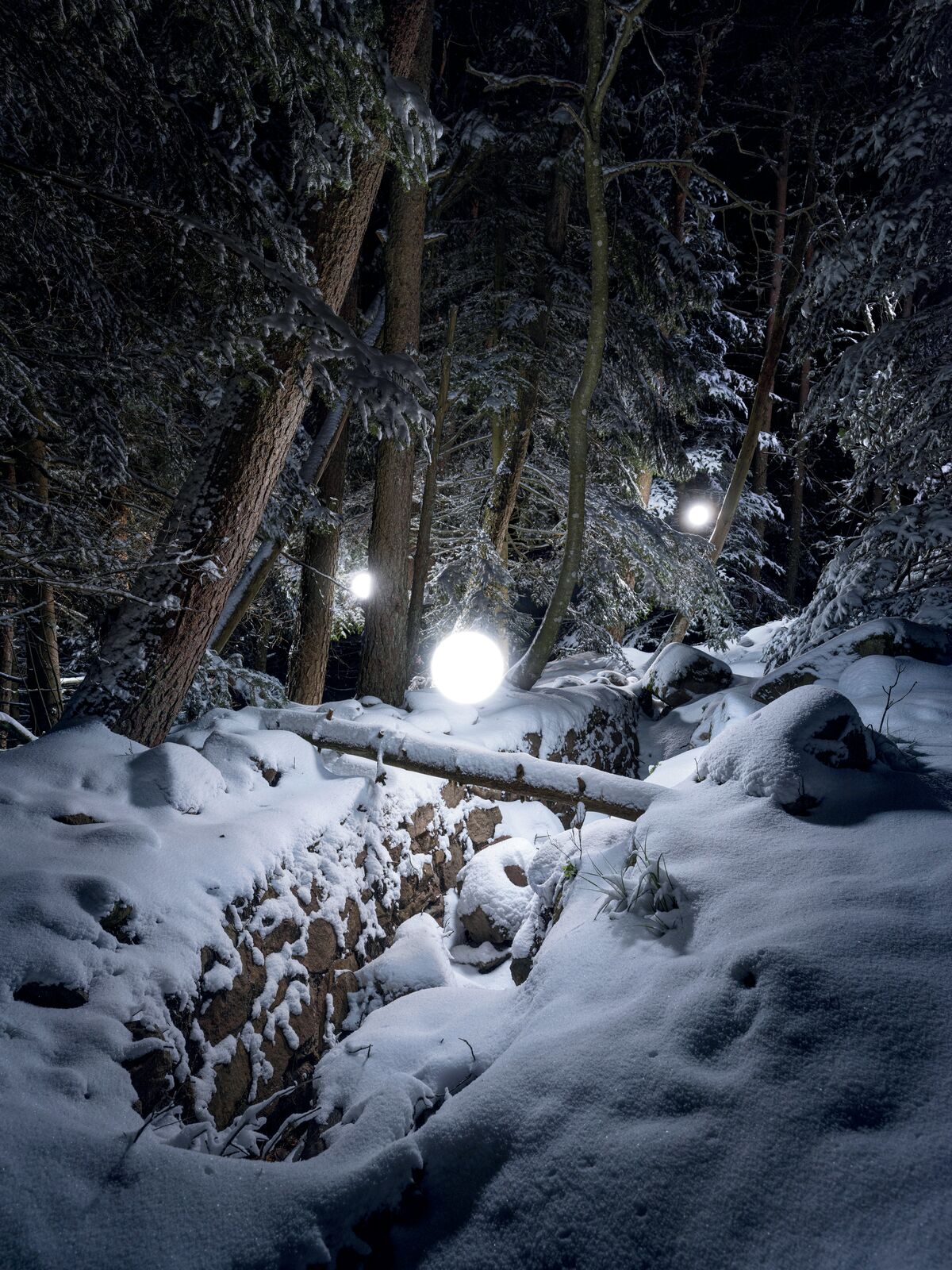
  • Fabrice Wittner, 3rd PrizeFabrice Wittner3rd Prize
    Read the jury’s statement

    The jury was moved; we almost fell into a state of quiet reflection before this series, which addresses the memory of the First World War through the remnants still present in Alsace.

    The snow covers the trenches, makes them even more hostile, and emphasizes the discomfort, the cold, the fatigue and the isolation imposed by these positions. The trench appears almost intact beneath the snow, and it is easy to imagine what it meant to be stationed in this confined, frozen, silent space. One projects oneself into it, becomes aware of it, remembers with precision what we were fortunate not to experience.

    The composition is solid, with a clearly readable trench line, a well-built sense of depth, and a clear visual hierarchy between foreground, middle ground and background.

    The cold tones establish a rigorous atmosphere, consistent with the historical reality of the terrain.

    The light sources draw attention to specific points in the landscape and can be seen as the persistence of memory rather than a supernatural presence. They help structure the reading of the image and make us feel as though we are entering a temporal threshold.

The jury’s heartfelt choice

Gao Shang

The jury’s heartfelt choice
Gao Shang, The jury’s heartfelt choice
The jury’s statement

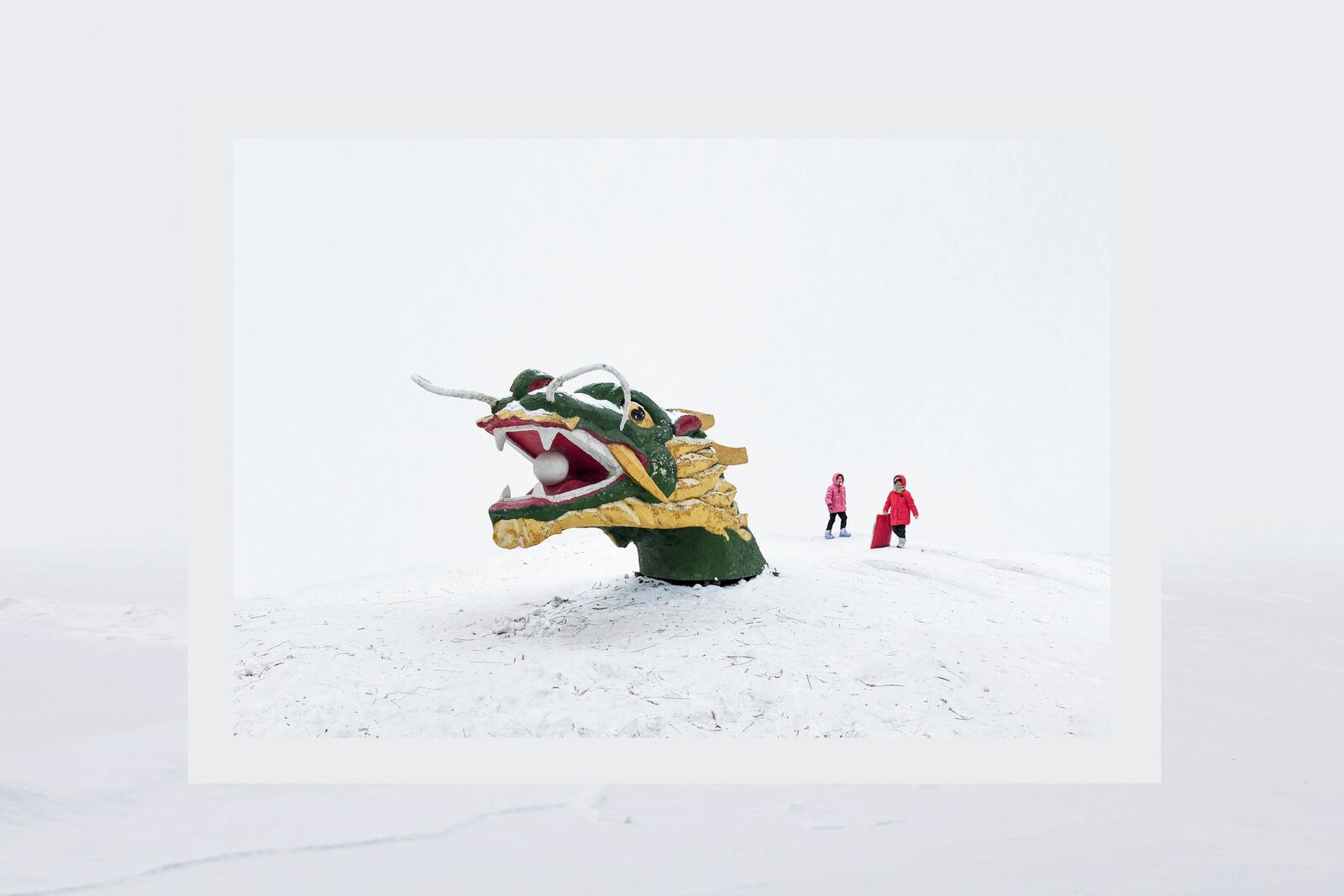
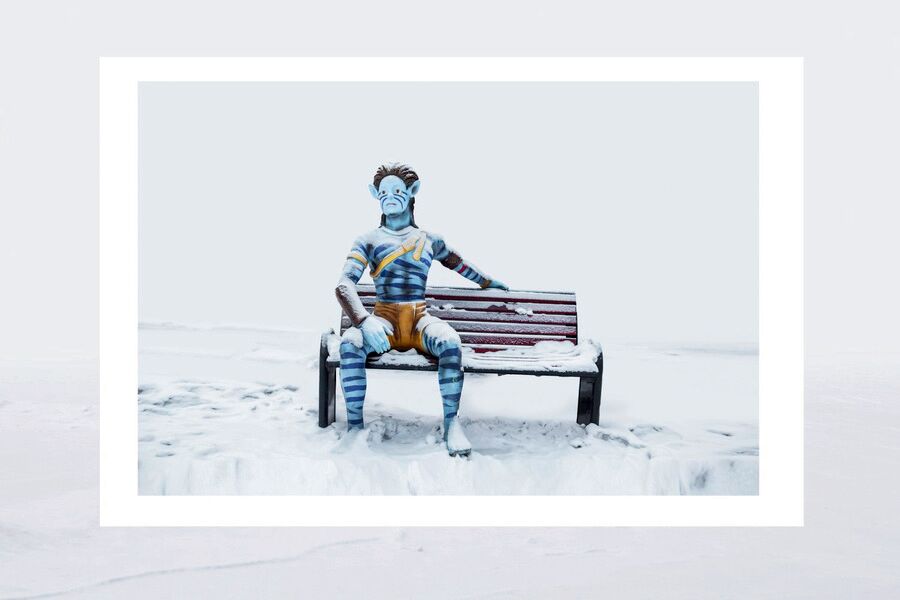
The image immediately captures attention through the power of its incongruity. Snow erases the context, removes all points of reference and transforms a simple playground or decorative element into a graphic and almost symbolic apparition, prompting questions before telling a story.

The composition is rigorous:

  • a subject centered within the white space
  • a reduced palette in which the dragon’s colors become structure
  • the discreet presence of 2 figures, which reintroduces scale

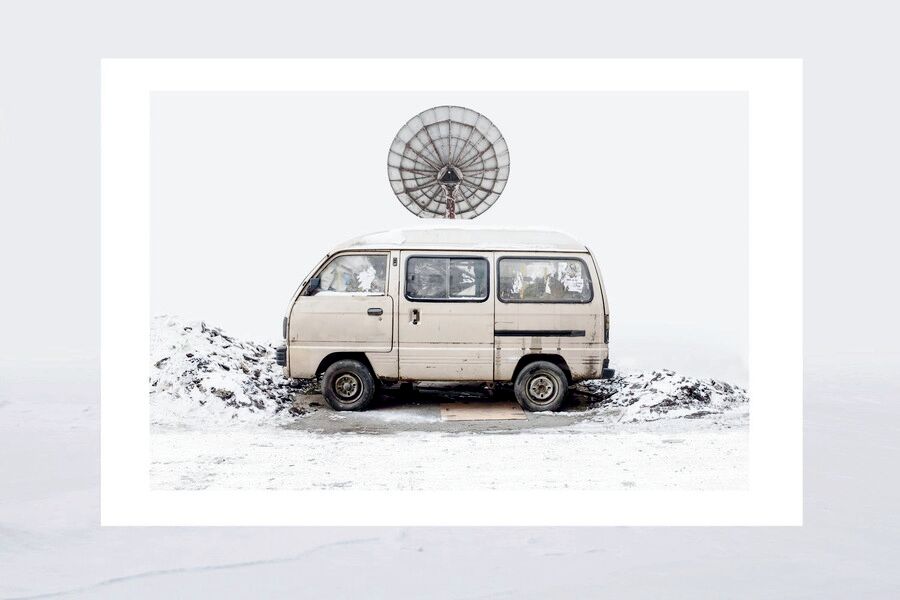
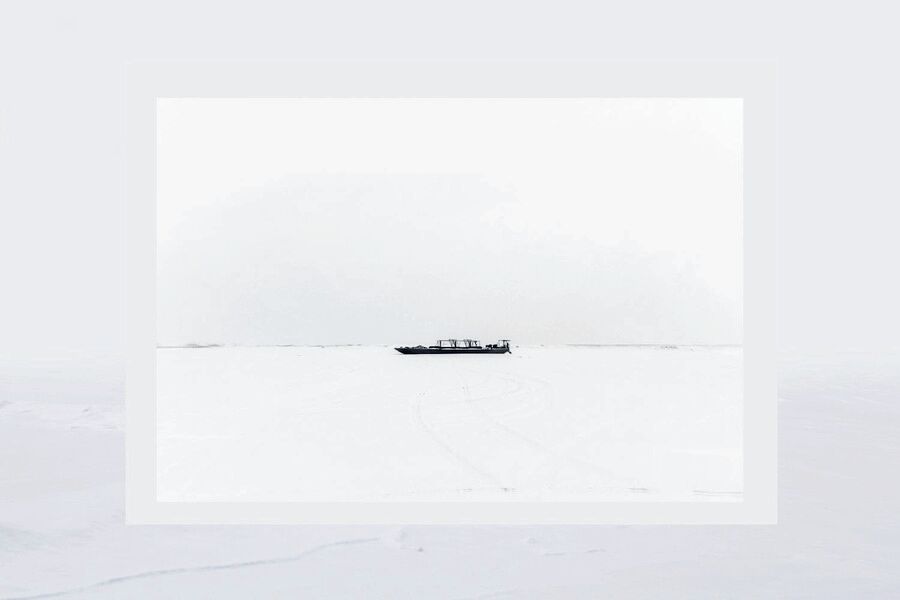
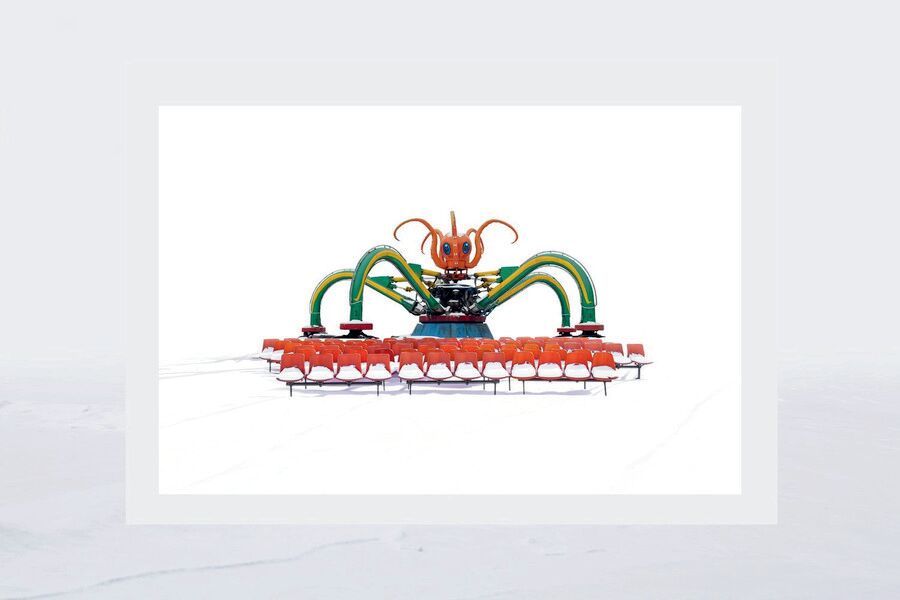
The entire series is built on a strong aesthetic principle: using snow as a tool of erasure that isolates subjects in order to reveal their involuntary poetry. What the jury appreciated:

  • a complete visual coherence: snow-white palette, centered, floating compositions
  • a logic of inventory, where each object becomes a motif suspended in the void
  • a subtle sociological reading: traces of everyday life confronted with an extreme environment
The photographer

Gao Shang, a visual artist born in 1992 and based in Harbin, develops a body of work that explores conceptual photography, abstraction and contemporary forms of image-making. His work has been widely exhibited and recognized in Chinese and international competitions dedicated to modern photography.

Harbin · Instagram · Website

Category prizes

The themed prizes of the 2025 edition.

Francesco Merlini

Environment Prize

Cloth

Cloth
Cloth
The jury’s statement

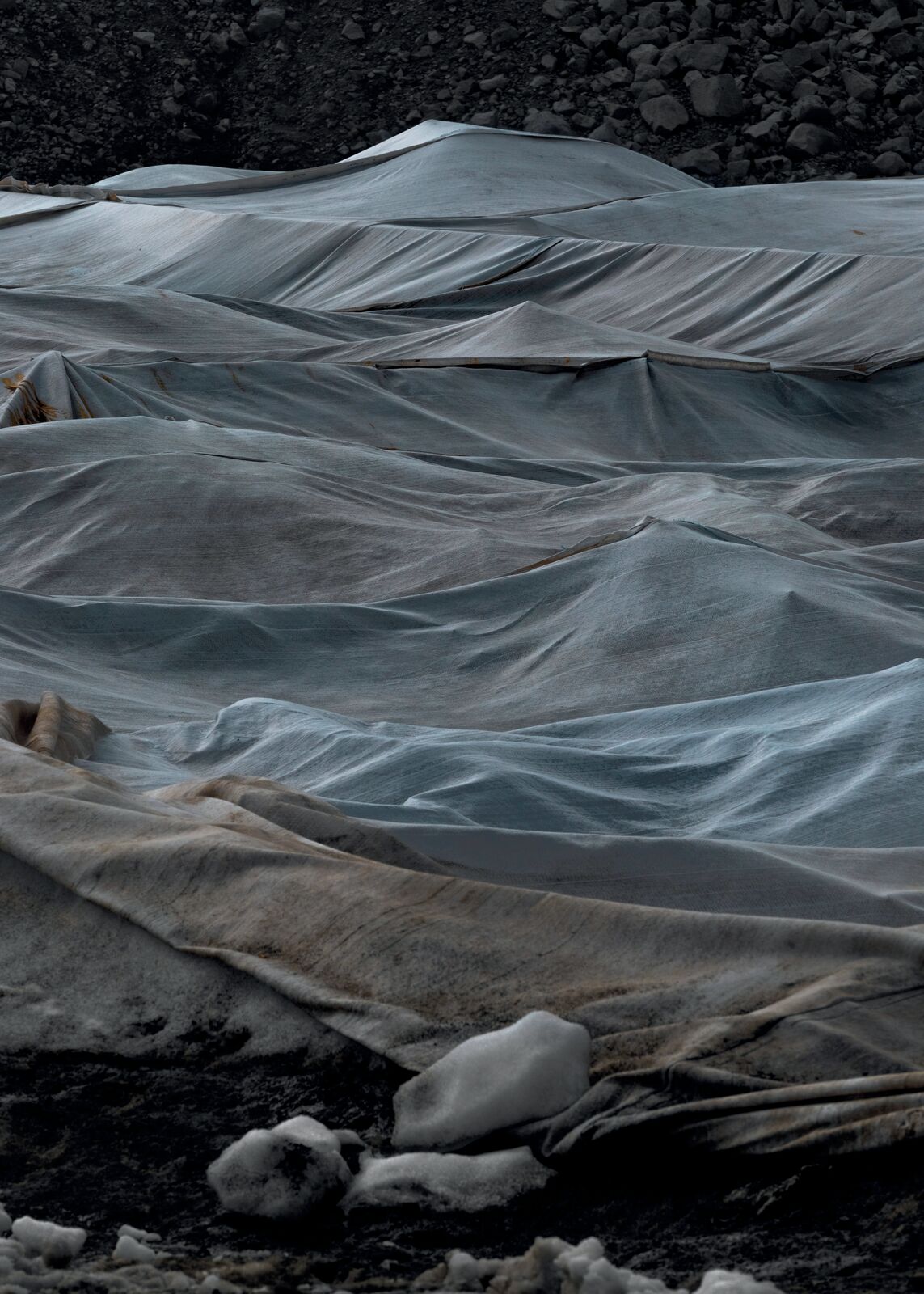
This photograph was distinguished for its dual documentary and artistic dimension.

The geotextile covers reflect sunlight and protect the snow and ice beneath from heat and UV radiation. They allow the glacier to retain more mass from one year to the next.

These covers generate motionless “waves” that might just as well be snow-covered mountains made of the very snow that is disappearing and that they are meant to preserve. This formal ambiguity creates a striking effect: it becomes unclear whether we are looking at a glacier, a fabric drape, a frozen sea or a monumental installation.

The composition combines 3 strong elements:

  • repeating undulations that create a powerful graphic rhythm
  • the tension between dark areas and cold reflections
  • the scale of the landscape, where the horizontal becomes almost vertical

The entire series succeeds because it develops a consistent visual grammar built on recurring draped motifs, a restrained palette and a constant ambiguous scale.

The photographer

Francesco Merlini’s work, born in Aosta in 1986 and based in Milan, has been selected by the British Journal of Photography, the Prix HSBC, the Leica Oskar Barnack Award, the Sony World Photography Awards, the HCB Foundation, the Kraszna-Krausz Foundation, PHotoEspaña, the Belfast Photo Festival and other institutions. His images have been published in The Washington Post, the Financial Times, Le Monde, The Guardian, Wired, Internazionale, Corriere della Sera, La Repubblica, La Stampa and more.

British Journal of Photography · Prix HSBC · Leica Oskar Barnack Award · Sony World Photography Awards · HCB Foundation · Kraszna-Krausz Foundation · PHotoEspaña · Belfast Photo Festival

Milan (born in Aosta in 1986) · Instagram · Website

Lee Nordbye

Abstraction Prize

Sculpt

Sculpt
Sculpt
The jury’s statement

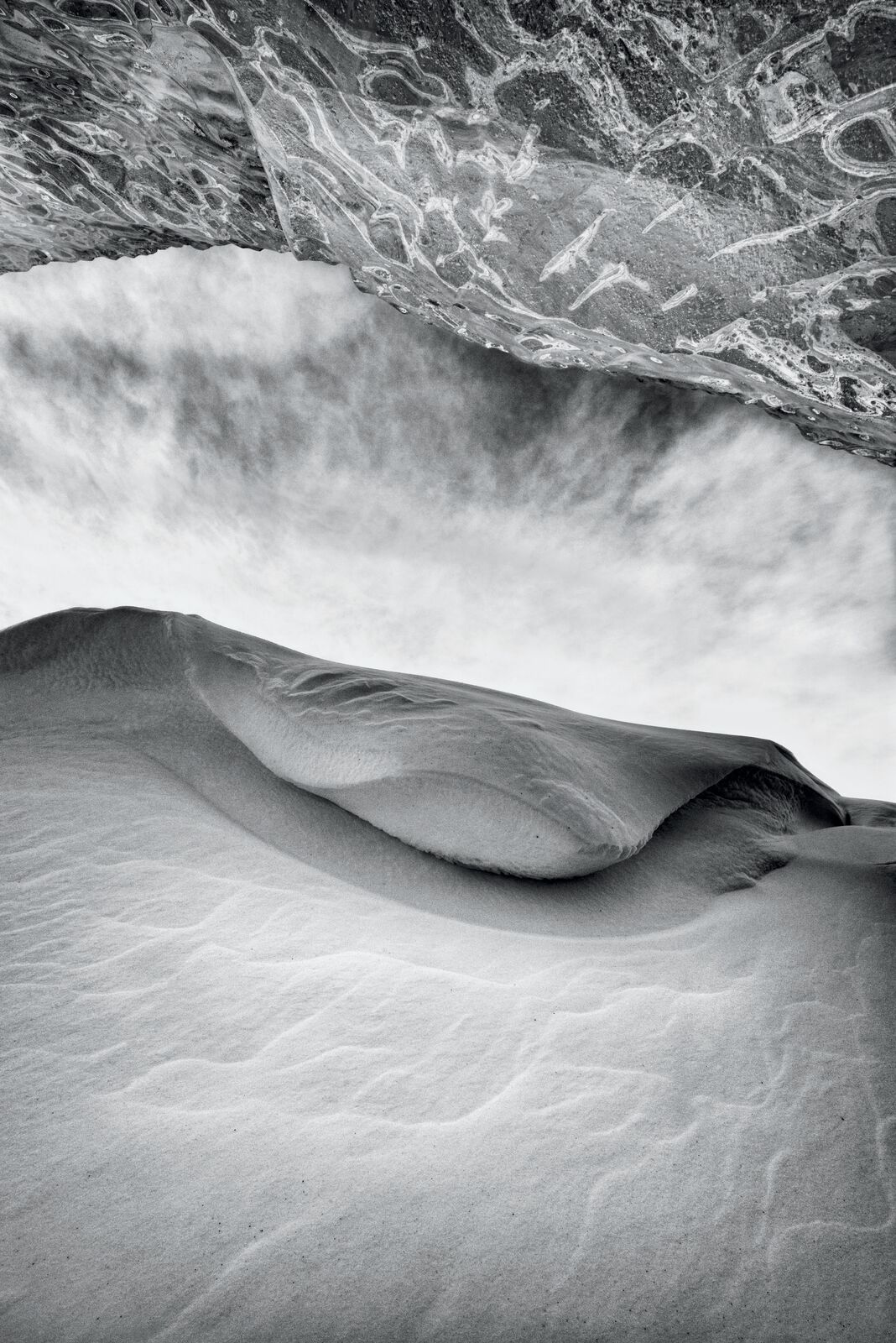
The strength of this image lies in its restraint.

Its composition is disorienting: the viewer loses any clear sense of up or down and instead enters a space shaped by depth and forward momentum, drawn toward the sky that appears between 2 enigmatic layers.

The photograph sets up a dialogue between the ethereal textures in the centre, the soft, finely striated surface below, and the hard, almost mineral layer of ice above.

The photographer works with gentle transitions between light and dark greys, creating a subtle yet clearly readable sense of relief, appreciated for its technical precision.

Within the series, this photograph becomes a key link in an exploration of forms, textures, the movement of wind over snow, and the relationship between surface and depth.

The photographer

Lee Nordbye is based in the Canadian Rockies in Alberta. An award-winning and published photographer, he is known for a bold style that explores the intimate nuances of the natural world.

award-winning and published photographer

Canadian Rockies, Alberta · Website

Elizabeth Sanjuan

Aesthetics Prize

Silent Snow II

Silent Snow II
Silent Snow II
The jury’s statement

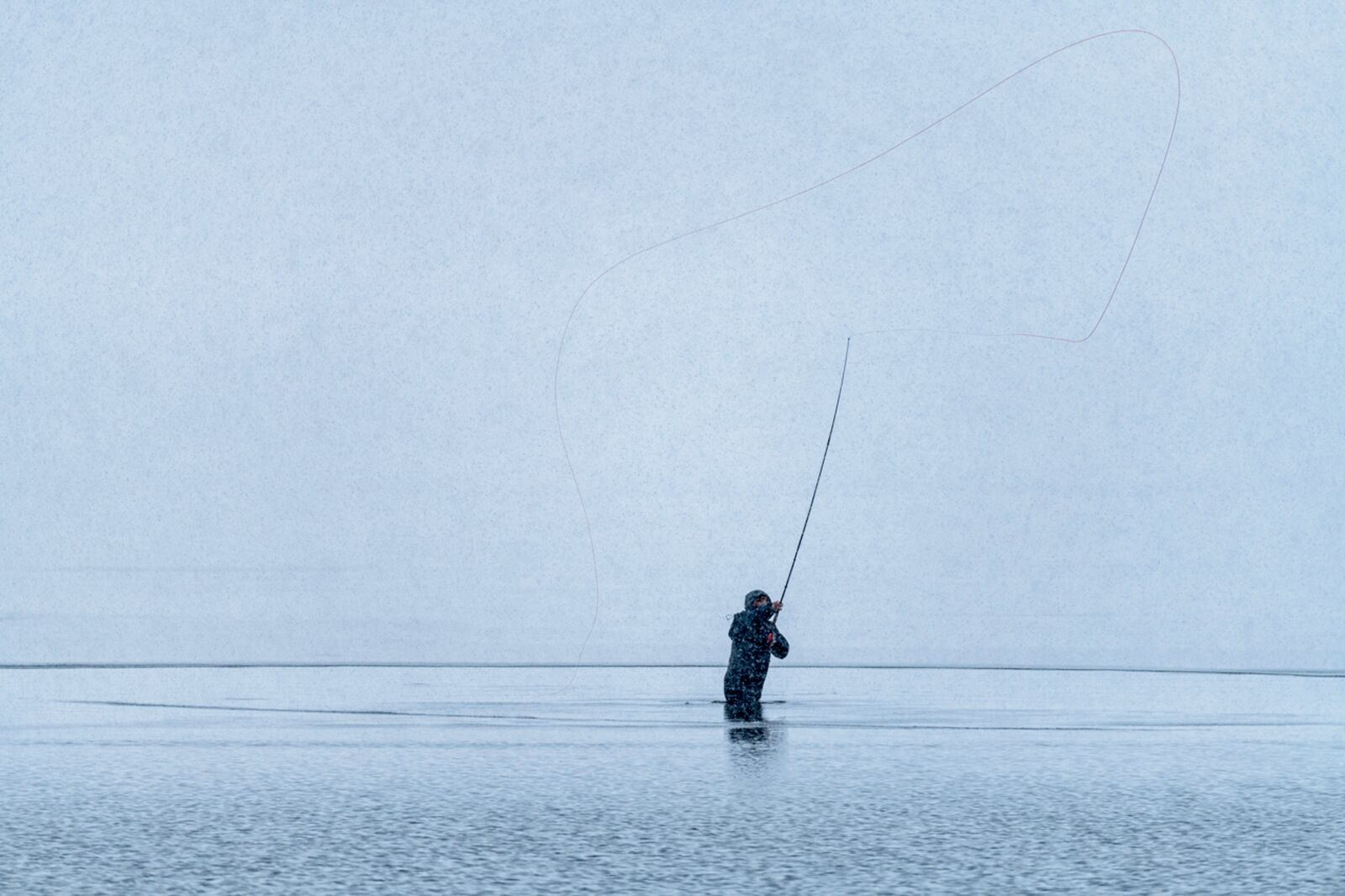
This image is simple in appearance but marked by great visual, emotional and technical precision, in which gesture, snow and space respond to one another in a minimalist, almost Japanese aesthetic.

The image relies almost entirely on emptiness: an erased horizon, a structureless snowy sky, and a body of water reduced to pure texture. Snowflakes fill the scene and become texture themselves, unifying sky and water, erasing spatial markers and creating an almost abstract atmosphere. The fisherman becomes the only point of anchoring, which gives the scene a strong internal tension.

The trajectory of the fishing line has the quality of a calligraphic gesture, forming something like a pared-down Japanese kanji in a cursive style. One senses the energy and breath of calligraphy. There is a palpable sensory atmosphere: cold, silence, snow, isolation, the fisherman’s concentration.

The use of color shows rare elegance, with an almost monochrome blue-grey palette.

The photographer

Elizabeth Sanjuan was born in Hollywood, Florida, to Cuban immigrant parents. After a 21-year career with American Airlines, she retired to devote herself fully to photography and to supporting young emerging artists from around the world. A seasoned traveler, she has visited more than 90 countries. Elizabeth has been practicing photography for over 10 years. During that time, she has exhibited and sold her work in galleries across 6 U.S. states and has studied with renowned photographers. She also ran a major art gallery in Florida for more than 5 years and continues to collect and sell works by both emerging and established artists through her company, Gallery 2014 LLC. Elizabeth is also a committed advocate for women’s rights and environmental causes.

Florida (born in Hollywood, Florida) · Instagram · Website

Steven Nestor

Pictorialism Prize

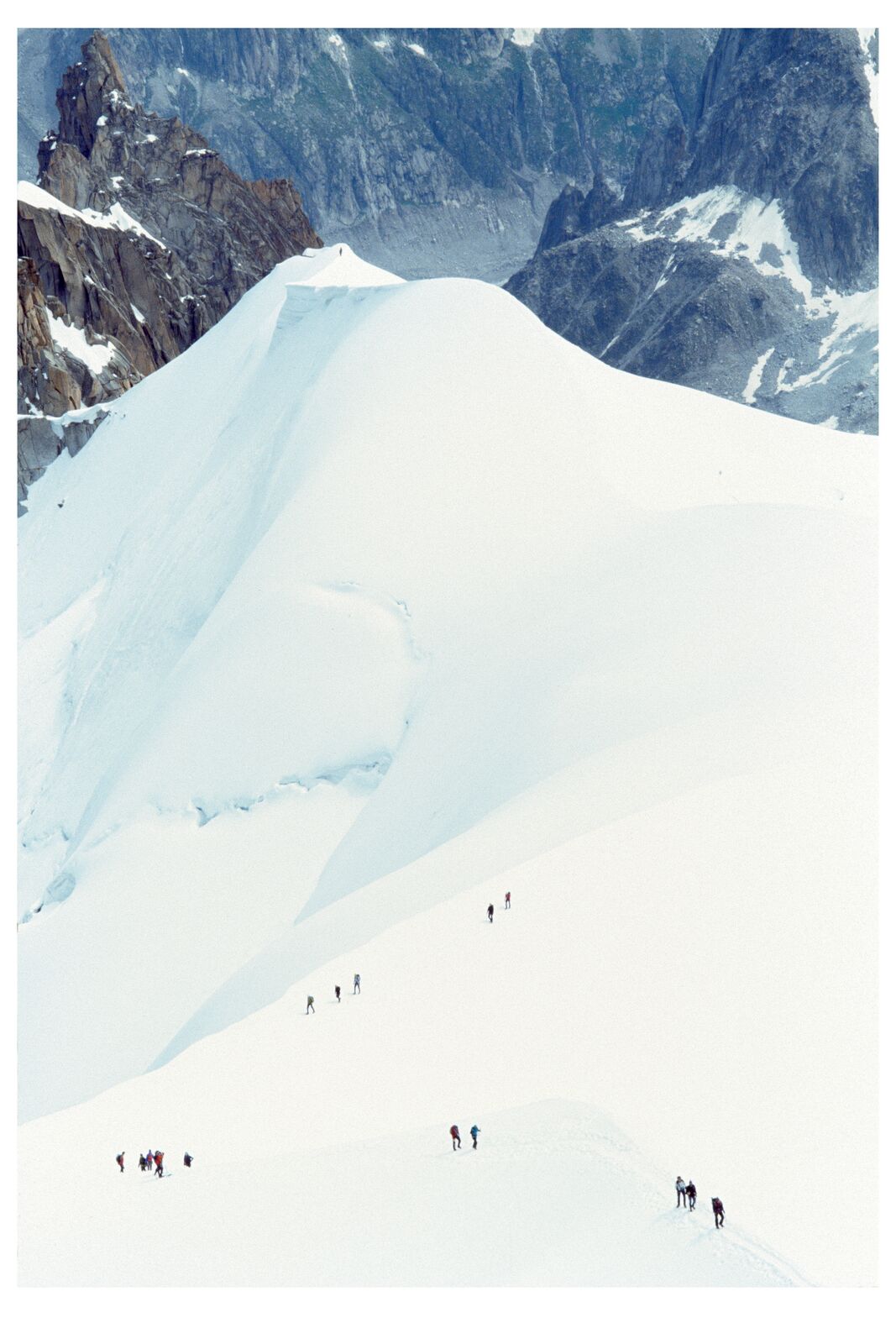
Aiguille du Midi

Aiguille du Midi
Aiguille du Midi
The jury’s statement

It looks like an illustration by the famous Samivel, don’t you think? These plays of blue and white, this sense of peace and suspended time… The photograph approaches the look of an ink wash, a print, or a very light pastel.

The composition prioritizes shapes, rhythms, and tonal softness, which lies at the heart of the pictorialist aesthetic. The snow erases details, simplifies forms, and creates very gentle transitions between shadow and light. This absence of texture reinforces the impression of a painting or chalk drawing.

The relief is present, but only through subtle variations in density. This approach removes the documentary aspect to create a more atmospheric visual impression.

The composition is orchestrated like a painting, with a fluid ridgeline leading the viewer’s eye toward the summit and then toward the group of alpinists. The human silhouettes act as graphic accents that give scale, rhythm, and a discreet, elegant, timeless narrative.

The photographer

Steven Nestor is originally from Dublin and a photography graduate of the Dublin Institute of Technology. He works at the Institute of Art, Design & Technology, where he completed in 2017 a 2-year self-directed master’s in Art Research Collaboration (ARC), graduating with distinction. Nestor’s work has been exhibited in Arles, Athens, Cork, Dublin, Hong Kong, Kassel, London, Milan and Rome.

exhibited in Arles, Athens, Cork, Dublin, Hong Kong, Kassel, London, Milan and Rome · master’s in Art Research Collaboration (ARC), graduating with distinction (2017)

originally from Dublin · Instagram

Greg Bolder

Black & White PrizeCanada

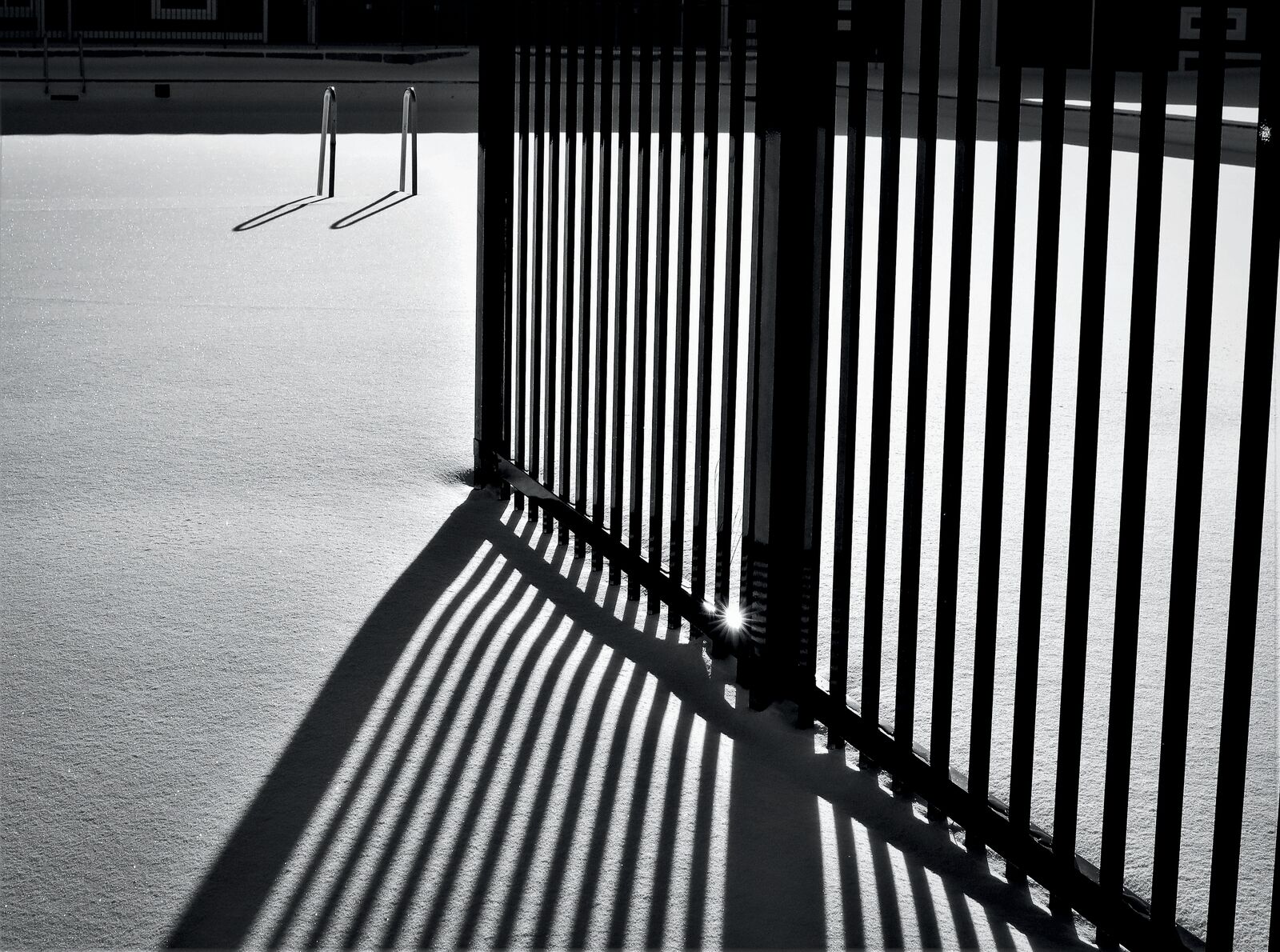
Winter at the pool

Winter at the pool
Winter at the pool
The jury’s statement

This image combines minimalism, contrast work, raking light and geometric patterns. Its simplicity aligns with the tradition of classical black-and-white.

In black and white, the strength of an image often relies on its graphic structure. Here, the bars and their shadows form a system of parallel lines that creates a very strong visual rhythm.

The reading unfolds in clear layers: the eye enters through the long diagonal shadows, moves through the vertical fence, reaches the snow, and finally lands on a very unexpected pool ladder from which we reach the sky. Its discreet, isolated presence in the distance introduces a break in the strict geometry of the foreground. It adds minimal narrative and a point of breathing space, preventing the image from becoming a purely formal “abstract grid.”

The deep blacks of the bars and the pure whites of the snow generate maximum contrast, yet without losing detail in the snow : a negative space that allows the image to breathe. This space exists as a place textured by imagination, where the viewer projects themselves and leaves a trace.

The photographer

Greg Bolder is an amateur photographer from Canada. His work has been exhibited at the BBA Gallery in Berlin, Germany. He won first place in the Colours competition at the online 10 Moirs Gallery in the United States. His photographs have also been shown twice at the Blank Wall Gallery in Athens (Greece) and at The Glasgow Gallery of Photography.

BBA Gallery in Berlin · first place in the Colours competition at the online Ten Moirs Gallery · Blank Wall Gallery in Athens (Greece) · The Glasgow Gallery of Photography

Canada · Instagram

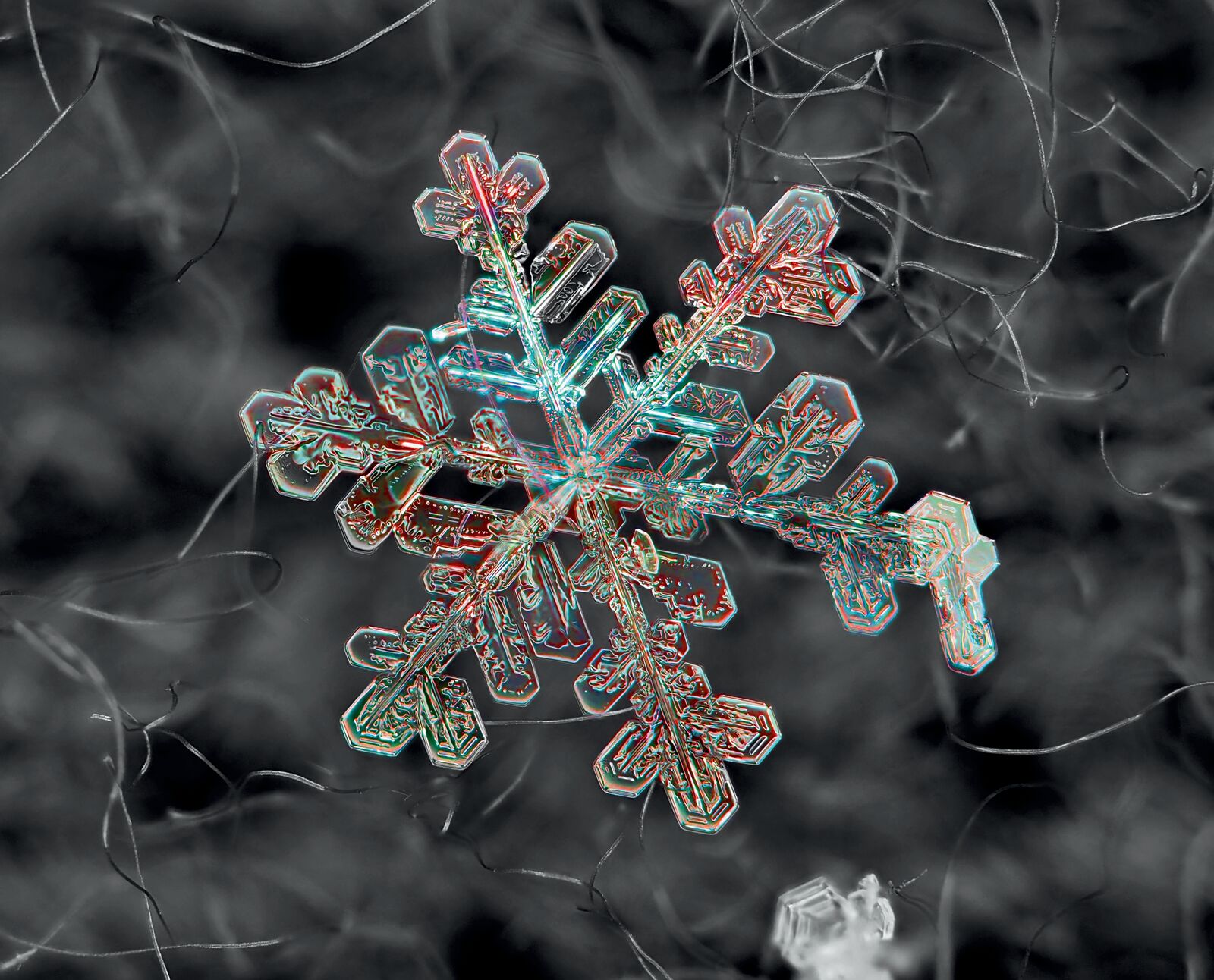
  • Jim Chung, Macrophotography PrizeJim ChungMacrophotography Prize
    Read the jury’s statement

    Yes, there are many photographs of snowflakes. But this one combines several exceptional factors:

    1 - The snowflake shown here has an almost perfect symmetry, highly developed arms and a density of micro-patterns that are rarely seen this clearly. Many snowflake photographs show partially melted or incomplete forms. Here, the crystal is remarkably intact, which makes the image valuable from a naturalistic point of view.

    2 - An unusual chromatic richness with coloured dispersion: red, cyan, green… This phenomenon is difficult to obtain consistently because it requires very controlled lighting, a precise angle and a reflective surface that enhances spectral decomposition. This rendering gives the snowflake an almost holographic dimension that goes beyond simple documentation.

    3 - A striking contrast between the extremely sharp, luminous, geometric flake and the organic, fibrous, almost chaotic background.

    4 - A demanding technical mastery, because photographing an intact snowflake in macro requires very low temperatures, complete absence of vibration and an extremely shallow depth of field.

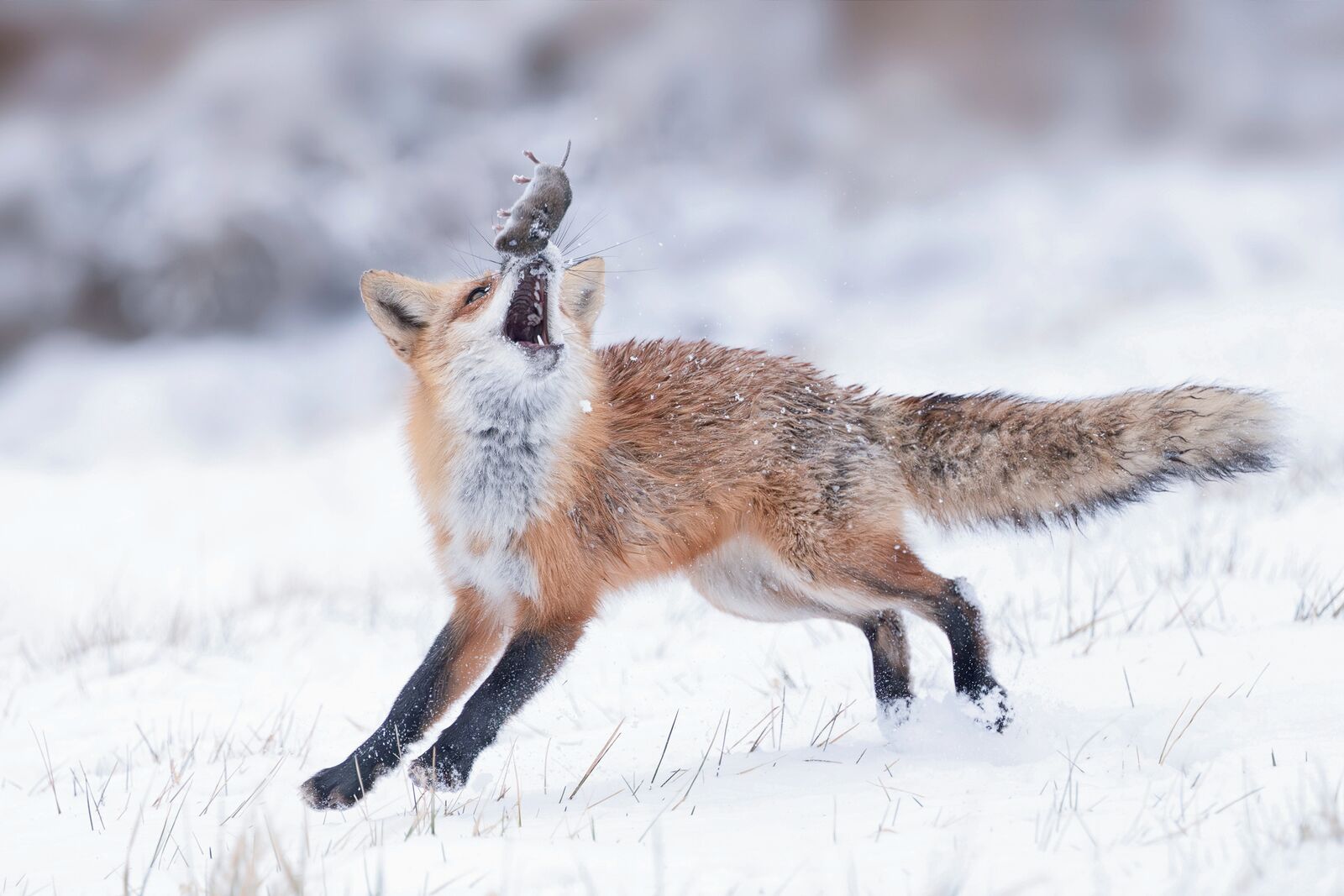
  • Dennis Picart, Naturalist PrizeDennis PicartNaturalist Prize · Canada
    Read the jury’s statement

    This photograph was singled out for the rarity of the action it captures: a fox managing to catch a vole in mid-air, an almost impossible moment to anticipate and one that requires an exceptional blend of patience, knowledge of animal behaviour and technical mastery.

    Before the photographed instant, the vole was moving beneath the snow, out of sight. The fox, using its acute hearing, located it even though no trace was visible on the surface. It froze, calculated the distance, then leapt to strike the snow, dig out its prey and catapult it into the air : the mousing!

    What we see is the decisive moment: the vole expelled above the surface, still in an uncontrolled trajectory, and the fox focused, ready to secure its catch before it falls back down. Here, the snow takes on an almost documentary function: it explains the hunting technique, becomes the stage for the action preceding the ejection, carries the narrative as a whole and allows the viewer to focus on the fox, its colour, its posture, its intent.

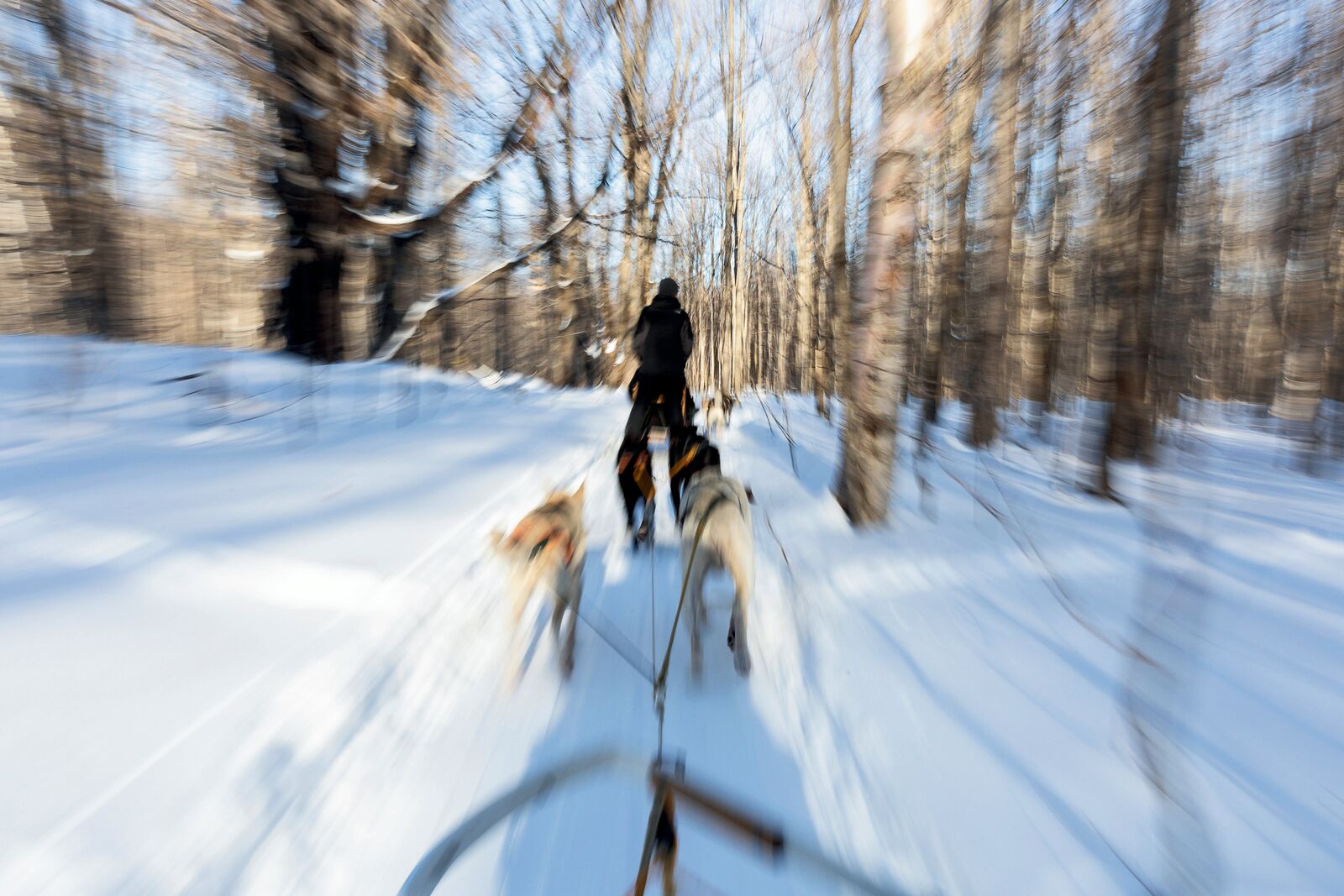
  • Claudine Faucon, Movement PrizeClaudine FauconMovement Prize
    Read the jury’s statement

    The jury distinguished this image for the communicative and immersive power of its point of view. The photograph places the viewer exactly where the person on the sled is standing, immediately conveying the physical sensation of movement.

    The slight radial blur is not a weakness but one of the key elements: it expresses speed, the cold on the face, the pull of the dogs, the glide of the sled over the snow. This visual vibration throws the viewer into the scene rather than positioning them in front of it.

    The very bright snow amplifies this impression of energy by providing a uniform surface that reinforces the sense of continuous motion. The trees on each side streak past like a dynamic tunnel, enhancing perspective and acceleration.

    The composition, centered on the towline, guides the eye toward the musher, whose stability contrasts with the joyful tension and movement of the dogs.

    The image succeeds because it conveys a universal sensory experience, a moment of motion, trust, and freedom.

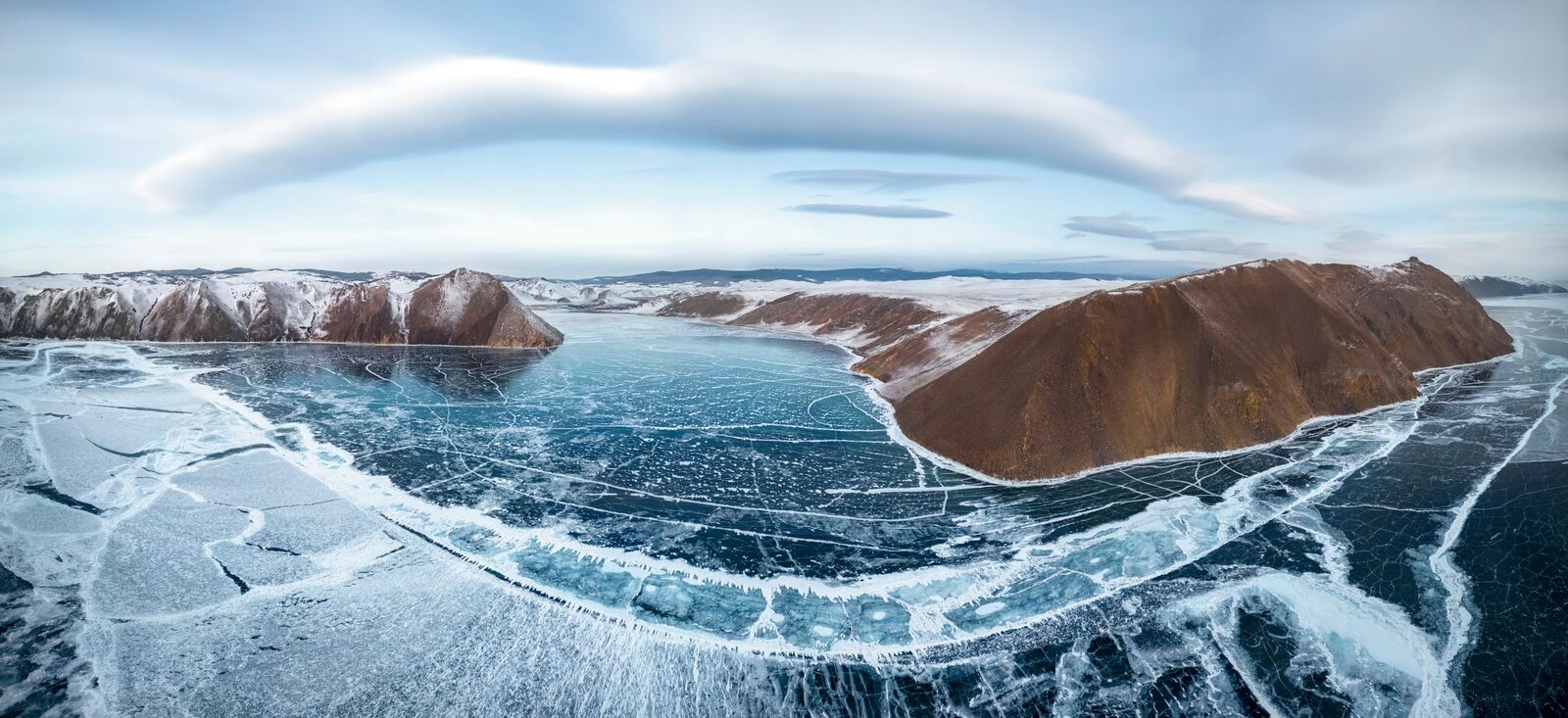
  • Alma, Landscape PrizeAlmaLandscape Prize
    Read the jury’s statement

    The jury singled out this image for the power of its composition and the innovative way it reveals the winter landscape. The eye is immediately caught by the double-arc structure: below, the vast curve of fractured ice encircling the lake, and above it, the stretched cloud that visually mirrors the shape of the ground. This rare formal resonance creates a spectacular, almost graphic equilibrium, as if sky and earth were echoing one another.

    The image also stands out for the harmony of its tonal palette: the deep blue of the frozen lake, the warm browns of the hills, the bright whites of the cracks.

    Each layer has its own texture, from the soft sky with its gentle variations to the ice traced with sharp, delicate lines that seem to crackle under the viewer’s gaze. This contrast between atmospheric softness and the brittle tension of the lake gives the scene a sensory dimension — one can almost hear the ice shifting.

    The photograph also documents with precision the unique phenomenon of Lake Baikal’s fissures, which form living maps of the lake’s pressure and movement beneath the freeze. This geographic reading merges with an immersive panoramic aesthetic that conveys the feeling of flying over a world that is both real and otherworldly.

Selection among the top 10% remarkable pictures

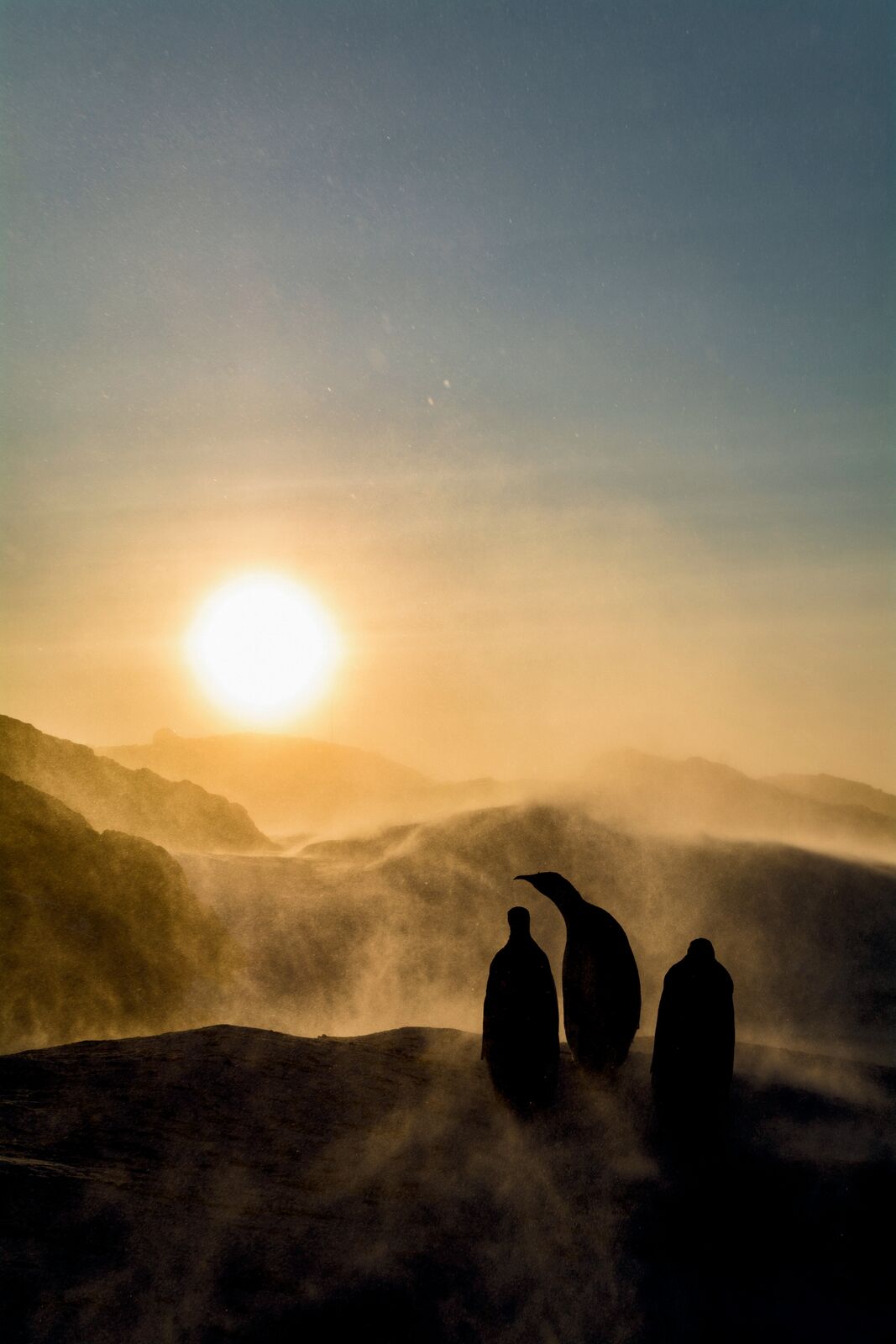
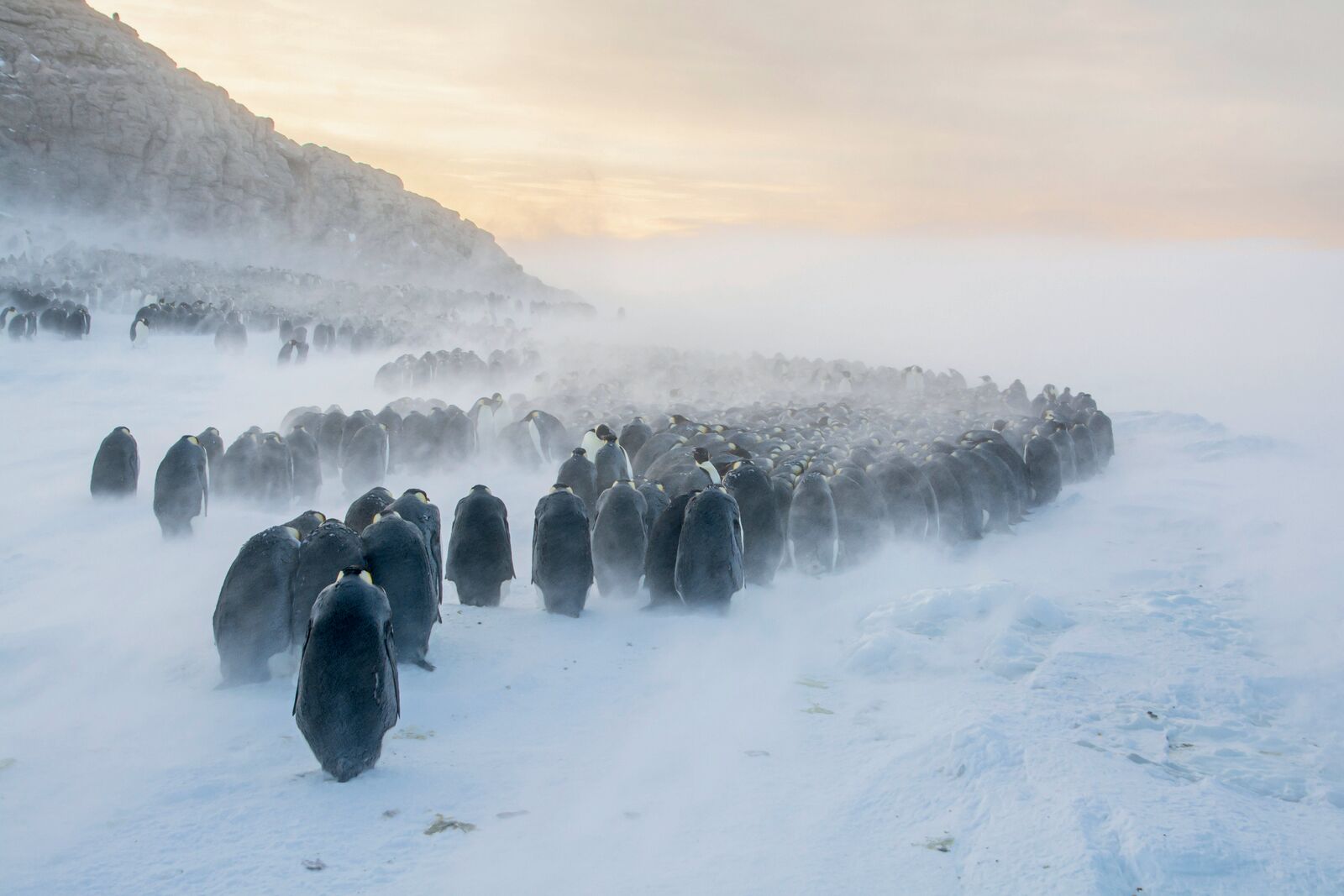
Clément Cornec

Selection among the top 10% remarkable pictures

Ice blanket

Golden blanket
Golden blanket
Ice blanket
Ice blanket
The photographer

His work has been exhibited in over 30 venues, including major events such as the Montier International Wildlife and Nature Photography Festival and Phot’Aubrac. His images have received awards in leading international competitions, among them Bird Photographer of the Year and the Namur International Nature Festival. His photographs and related stories have been published in reference magazines such as Nat’Images and Terre Sauvage. Over 40 of his images appear in the book The Emperor, directed by Oscar-winner Luc Jacquet of March of the Penguins.

Montier International Wildlife and Nature Photography Festival · Phot’Aubrac · Bird Photographer of the Year · Namur International Nature Festival · published in Nat’Images and Terre Sauvage · Over forty of his images appear in the book The Emperor, directed by Oscar-winner Luc Jacquet

Your turn: applications open from 1 to 30 November 2026

APPLY Prepare my entry

What you winFees

Contest rules 2026Download